Thunderbolt 5 sets the stage for a remarkable advancement in connectivity, offering users unprecedented data transfer speeds and power delivery capabilities. As technology continues to evolve, the release of Thunderbolt 5 promises to redefine the way we interact with our devices, making it a pivotal topic for tech enthusiasts and professionals alike. This new standard not only enhances performance in everyday applications but also opens doors to exciting possibilities for industries that rely on high-speed data transmission and reliable power sources.
With improvements that surpass its predecessor, Thunderbolt 4, this latest iteration incorporates advanced specifications aimed at boosting efficiency and facilitating seamless integration across various platforms. It is poised to play a critical role in shaping the future of gaming, video editing, and other high-performance applications, all while maintaining backward compatibility with existing technologies.
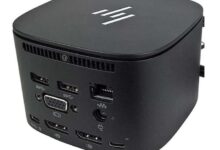




Thunderbolt 5 technology overview
Thunderbolt 5 represents a significant advancement in high-speed data transmission technology, building upon the features of its predecessor, Thunderbolt 4. Designed to meet the increasing demands of modern devices and applications, Thunderbolt 5 is characterized by its impressive capabilities, which facilitate faster data transfer rates, enhanced power delivery, and broader device compatibility.One of the most remarkable features of Thunderbolt 5 is its data transfer speed, which reaches up to 80 Gbps, effectively doubling the throughput of Thunderbolt 4.
This significant increase allows for faster file transfers and improved performance in data-intensive applications, such as video editing and 3D rendering. Thunderbolt 5 also supports USB4, ensuring compatibility with a wide range of devices. In addition, the power delivery capability has been enhanced, allowing devices to receive up to 240W, which is particularly beneficial for powering high-performance laptops and peripherals.
Comparison with Thunderbolt 4
When comparing Thunderbolt 5 with Thunderbolt 4, several key advancements become evident. Thunderbolt 4 offered a maximum bandwidth of 40 Gbps, which was sufficient for many applications but has been outpaced by the capabilities of Thunderbolt 5. The introduction of dual-lane operation in Thunderbolt 5 enables the aforementioned 80 Gbps speeds, providing substantial benefits for users requiring high data bandwidth.In terms of device connectivity, Thunderbolt 5 maintains backward compatibility with Thunderbolt 3 and 4, while also supporting a greater variety of connection types.
This adaptability is crucial for a seamless user experience across different devices and usage scenarios. Additionally, Thunderbolt 5 introduces support for new display technologies, allowing up to three 4K displays or two 8K displays to be connected simultaneously, enhancing productivity for creative professionals.This table summarizes the key differences:
| Feature | Thunderbolt 4 | Thunderbolt 5 |
|---|---|---|
| Maximum Data Rate | 40 Gbps | 80 Gbps |
| Power Delivery | Up to 100W | Up to 240W |
| Display Support | Two 4K displays | Three 4K or two 8K displays |
Potential applications in everyday devices and industries
The potential applications of Thunderbolt 5 are extensive, covering various industries and everyday consumer devices. In the realm of personal computing, Thunderbolt 5 enables seamless connectivity between high-performance laptops, external graphics cards, and multiple displays. This is particularly advantageous for professionals in fields like video production and design, where high data bandwidth is crucial for handling large files and rendering tasks efficiently.For gaming enthusiasts, Thunderbolt 5 provides an opportunity for ultra-fast performance in gaming rigs, allowing for quicker loading times and smoother frame rates.
Furthermore, the enhanced power delivery capabilities mean that gamers can power their high-end setups with fewer adapters and cables.In the realm of data centers and enterprise solutions, the increased data transfer rates facilitate faster data backups, improved cloud storage interactions, and more efficient data processing workflows. Industries such as healthcare and research, which rely on rapid data processing and analysis, stand to benefit significantly from the adoption of Thunderbolt 5 technology.
The integration of Thunderbolt 5 into everyday devices will ultimately streamline connectivity, enhance user experiences, and pave the way for innovations that demand high performance in a wide range of applications.
The impact of Thunderbolt 5 on data transfer speeds
Thunderbolt 5 represents a significant advancement in data transfer technology, providing unprecedented speeds that enhance the capability of various devices and applications. With an impressive maximum data transfer rate of up to 80 Gbps, Thunderbolt 5 surpasses its predecessor, Thunderbolt 4, which offered a maximum of 40 Gbps. This increase in speed positions Thunderbolt 5 as a formidable competitor against other high-speed interfaces like USB4, which also reaches speeds of up to 40 Gbps, but lacks the versatility and additional bandwidth features provided by Thunderbolt.
Maximum data transfer speeds and comparisons
The leap to 80 Gbps with Thunderbolt 5 is not merely numeric but transformative for various applications. This speed allows for substantial improvements in data handling and has significant implications for professionals in creative fields such as video editing and gaming. The following points illustrate the advantages of these speeds:
- Video Editing: High-resolution video files, especially in 4K or 8K formats, can be transferred in a fraction of the time compared to previous technologies. This capability enables editors to work seamlessly with large files, facilitating real-time editing without lag.
- Gaming: For gamers, Thunderbolt 5 allows for enhanced graphics streaming and quicker load times. Games with high data demands can perform more efficiently, providing a smoother and more immersive experience.
- Professional Environments: In sectors such as broadcasting and film production, where time is critical, the speed of Thunderbolt 5 can lead to significant productivity gains. Faster data transfer allows for quicker asset sharing and immediate collaboration on projects.
The performance of high-end applications directly correlates with the speed improvements offered by Thunderbolt 5. For instance, a video editing suite that relies on Thunderbolt 5 can handle multiple streams of uncompressed 8K footage without the bottlenecks experienced with lower-speed connections. This capability also extends to data-heavy applications like 3D rendering, where the rapid transfer of large files can drastically reduce project timelines.
“The capacity to transfer data at 80 Gbps enables new workflows and creativity in professional settings, ultimately redefining how data-intensive tasks are approached.”
The significance of these improvements cannot be understated in professional environments, where efficiency and speed are paramount. In collaborative settings, where teams may need to share large files in real-time, the enhanced capabilities of Thunderbolt 5 foster an environment where creativity can flourish without the hindrance of slow data transfer rates. The ability to easily connect multiple high-performance devices, such as external GPUs, displays, and storage solutions through a single Thunderbolt 5 port further solidifies its role as a cornerstone technology in modern workflows.
Power delivery capabilities of Thunderbolt 5
The introduction of Thunderbolt 5 marks a significant evolution in power delivery technology, enhancing the capabilities available to users across various electronic devices. This advancement not only supports faster data transfer rates but also enables more robust power management, positioning Thunderbolt 5 as a vital component in the modern tech landscape.Thunderbolt 5 provides enhanced power delivery capabilities compared to its predecessors by supporting up to 240 watts of power.
This improvement allows for the charging and powering of a wider range of devices, including high-performance laptops, monitors, and peripherals, all through a single cable. The increased power capacity means that users can experience faster charging times and reduced cable clutter, as fewer cables are needed for power and data transfer.
Implications for Device Charging and Peripheral Powering
The advancements in power delivery via Thunderbolt 5 have considerable implications for both charging devices and powering peripherals. The ability to deliver significantly higher wattage allows for:
- Efficient charging of laptops: Thunderbolt 5’s 240-watt output can quickly charge high-performance laptops, which often require more power than standard USB-C connections can provide.
- Powering multiple displays: Devices equipped with Thunderbolt 5 can drive multiple 4K displays simultaneously, ensuring that users can maintain productivity without sacrificing performance.
- Utilization of power-hungry peripherals: Thunderbolt 5 can power devices such as external GPUs, high-speed storage devices, and docking stations, which can enhance functionality and performance in professional settings.
In practical terms, devices such as the latest MacBook Pro models, which are designed to leverage higher power delivery capabilities, can benefit from the advantages provided by Thunderbolt 5. Moreover, advanced gaming laptops that utilize external GPUs for enhanced graphics performance can also take advantage of this technology to boost their efficiency and functionality.
The ability to deliver up to 240 watts of power through a single Thunderbolt 5 connection revolutionizes the way devices can be charged and utilized, paving the way for more streamlined and efficient tech ecosystems.
Compatibility and integration with existing technologies
As Thunderbolt 5 emerges as a significant advancement in connectivity technology, its compatibility with pre-existing systems is a crucial factor for users contemplating an upgrade. Backward compatibility ensures that users can seamlessly integrate the new standard with their current devices without facing major hurdles. Thunderbolt 5 maintains this essential feature, allowing users to continue utilizing their older Thunderbolt and USB devices while leveraging the enhanced capabilities of the latest technology.Backward compatibility is a hallmark of the Thunderbolt standard, and Thunderbolt 5 is no exception.
It supports connections with Thunderbolt 3 and Thunderbolt 4 devices, as well as USB4 and USB 3.x peripherals. This compatibility is not merely theoretical; it translates into real-world usability where users can connect their existing hardware, such as docks, external storage devices, and monitors, directly to Thunderbolt 5 ports without requiring adapters or converters. The inclusion of the USB-C connector type further simplifies this integration, as many devices already utilize this standard.
Integration in various hardware platforms
The integration of Thunderbolt 5 across various hardware platforms, including laptops and desktops, demonstrates its versatility and utility. Many leading manufacturers have begun incorporating Thunderbolt 5 into their latest product lines, enhancing performance and offering users a more robust experience. The significance of Thunderbolt 5 integration can be highlighted through the following aspects:
- Laptops: High-end laptops from brands such as Dell, HP, and Apple have begun offering Thunderbolt 5 ports, enabling users to connect multiple high-resolution displays and transfer data at exceptional speeds. For instance, a laptop equipped with Thunderbolt 5 can handle dual 8K displays or four 4K displays simultaneously, making it ideal for professionals in fields such as video editing and graphic design.
- Desktops: Desktop systems, particularly those targeted at gamers and content creators, are also embracing Thunderbolt 5. This integration allows for faster data transfers, improved storage performance, and enhanced graphics capabilities by connecting to external GPUs. An example includes systems powered by Intel’s latest processors featuring native Thunderbolt 5 support, optimizing the overall performance for demanding applications.
Transitioning to Thunderbolt 5 in existing setups may present several challenges for users. While backward compatibility alleviates some concerns, the necessity for updated drivers and potential compatibility issues with older peripherals can create obstacles. Users may experience limitations in performance if older devices do not support the full capabilities of Thunderbolt 5, such as the higher bandwidth and power delivery features.
Additionally, users with extensive setups that include multiple hubs or devices may need to evaluate their current equipment to ensure optimal performance.
“The advancement to Thunderbolt 5 not only enhances speed but also future-proofs user setups, making it a critical consideration for modern computing needs.”
The design of Thunderbolt 5 connectors and cables
The design evolution of Thunderbolt 5 connectors and cables marks a significant advancement in technology, providing both enhanced performance and user experience. This new generation of connectors not only aims to maintain backward compatibility but also introduces design features that improve usability and efficiency, setting a new standard for data and power transmission.The physical design of Thunderbolt 5 connectors incorporates several notable changes compared to its predecessors.
The connectors are slightly smaller, facilitating a more compact and lightweight configuration while maintaining sturdiness. This change enhances the portability of devices utilizing Thunderbolt 5 technology. The new connectors utilize a refined pin layout that allows for higher data transfer rates of up to 80 Gbps, which is vital for modern applications such as 8K video delivery and high-speed data backups.
Additionally, the connectors are engineered with improved durability, featuring a robust housing that resists wear and tear, thus ensuring longevity.
Materials and technology in Thunderbolt 5 cables
The materials used in the manufacturing of Thunderbolt 5 cables contribute significantly to their performance and reliability. The cables are constructed with a combination of advanced materials that allow for enhanced flexibility and strength. Notably, the use of high-quality copper wiring ensures optimal electrical conductivity while minimizing signal loss over distances. In addition, the implementation of advanced shielding techniques protects against electromagnetic interference (EMI), which is crucial for maintaining the integrity of high-speed data transmission.Moreover, Thunderbolt 5 cables incorporate new technologies such as active cable technology, which allows for longer cable lengths without degrading performance.
This is particularly beneficial for professional environments where longer distances between devices are common. Users can expect to have reliable performance with cables extending up to 5 meters while still supporting maximum data rates.The evolution of Thunderbolt 5 also introduces considerations regarding cable length and device compatibility. It is important for users to be aware that while longer cables can be used, the optimal performance is often achieved with shorter cables, especially in high-bandwidth scenarios.
Additionally, although Thunderbolt 5 maintains backward compatibility with previous versions, not all features may be supported when connecting to older devices. Users should confirm compatibility to ensure they are utilizing the full capabilities of the Thunderbolt 5 standard.
Thunderbolt 5’s design not only enhances performance but also focuses on user-friendly features, ensuring the technology meets the evolving needs of modern computing.
The role of Thunderbolt 5 in gaming technology
Thunderbolt 5 is poised to revolutionize gaming technology by enhancing the connectivity of gaming peripherals and setups. This new standard promises significant improvements in data transfer speeds and versatility, ultimately enriching the gaming experience for both players and developers alike.One of the most notable impacts of Thunderbolt 5 on gaming is its ability to support high-resolution displays and external graphics processing units (GPUs) with unprecedented efficiency.
By providing data transfer speeds that can exceed 80 Gbps, Thunderbolt 5 enables gamers to connect multiple high-definition monitors without compromising performance. This is particularly advantageous in competitive gaming, where low latency and high refresh rates are critical.
Integration with Gaming Peripherals
The integration of Thunderbolt 5 into gaming setups introduces new possibilities for peripheral connectivity. This standard allows for the simultaneous connection of various devices, including high-resolution monitors, VR headsets, and external GPUs, without the need for multiple cables or complex setups. The implications of this technology are profound and can be observed in several key areas:
High-Performance Monitors
Thunderbolt 5 can support multiple 4K displays, enabling immersive gaming experiences. This capability is essential for games that require extensive visual detail and multi-monitor configurations, such as flight simulators or open-world games.
External Graphics Processing Units (eGPUs)
The increased bandwidth of Thunderbolt 5 allows gamers to connect powerful eGPUs that can significantly enhance graphics performance. For instance, a gamer using a laptop can achieve desktop-level graphics performance simply by connecting an eGPU via Thunderbolt 5, making high-end gaming more accessible.
Enhanced VR Experiences
Virtual reality gaming will benefit from Thunderbolt 5’s low-latency capabilities, providing smoother frame rates and a more responsive experience. This is crucial for games that demand quick reflexes and immersive environments.The adoption of Thunderbolt 5 also has significant implications for game developers and streaming technologies. Developers can leverage the increased bandwidth for more complex graphics and advanced gameplay mechanics, while streamers can utilize Thunderbolt 5 to deliver high-quality content with minimal latency.
“Thunderbolt 5’s capabilities will empower developers to create richer, more immersive gaming experiences than ever before.”
As gaming continues to evolve, the role of Thunderbolt 5 will become increasingly vital in shaping the future of interactive entertainment, ensuring that it remains at the forefront of technology.
Industry adoption of Thunderbolt 5
As Thunderbolt 5 technology emerges, various industries are poised to embrace its advanced capabilities, which promise significant enhancements in data transfer speeds, connectivity, and overall performance. The adoption of this technology is expected to catalyze innovation across diverse sectors, compelling businesses to integrate it into their operations and products to maintain competitive advantages.Creative fields such as video production, graphic design, and gaming are prime candidates for early adoption of Thunderbolt 5.
These industries rely heavily on high bandwidth and low latency for transferring large files and rendering high-resolution content. Thunderbolt 5’s impressive 80 Gbps peak bandwidth enables seamless handling of 8K video and complex graphics, making it an attractive option for professionals seeking to improve workflow efficiency.
Case Studies of Thunderbolt 5 Integration
Several companies are already exploring the integration of Thunderbolt 5 into their offerings, signaling the technology’s growing presence in the market. Notable examples include:
- Apple: Apple’s latest MacBook models are equipped with Thunderbolt 5, allowing creative professionals to connect multiple high-resolution displays and high-speed storage devices effortlessly. This integration highlights Apple’s commitment to providing tools that enhance productivity in creative sectors.
- Intel: As the creator of Thunderbolt technology, Intel has been actively promoting Thunderbolt 5 by showcasing its potential in high-performance computing applications, such as artificial intelligence and machine learning. This endorsement underscores the technology’s relevance in cutting-edge research and development environments.
- ASUS: ASUS has introduced gaming laptops that leverage Thunderbolt 5 to support external GPUs, delivering superior gaming performance and graphics rendering. This use case demonstrates how Thunderbolt 5 can revolutionize gaming by providing gamers with the flexibility to upgrade their hardware without compromising on performance.
These case studies exemplify how Thunderbolt 5 can enhance product offerings and drive advancements in various industries.
Barriers to Widespread Adoption
Despite its advantages, there are still barriers that could impede the widespread adoption of Thunderbolt 5 across different sectors. Key challenges include:
- Cost of Implementation: The initial investment required for Thunderbolt 5 infrastructure can be significant, especially for small to medium-sized enterprises. Upgrading existing systems to support the new technology may pose financial constraints.
- Compatibility Issues: Transitioning to Thunderbolt 5 necessitates ensuring compatibility with older devices and peripherals. Businesses may face hurdles in integrating the new technology with their current setups, which could lead to reluctance in adoption.
- Awareness and Training: Companies may lack awareness of the benefits of Thunderbolt 5 or the necessary training to implement it effectively. This knowledge gap can deter organizations from fully embracing the technology.
Addressing these barriers will be crucial for broadening the adoption of Thunderbolt 5 in various sectors and unlocking its full potential for innovation and productivity.
Future developments and innovations related to Thunderbolt 5

As technology continues to evolve, Thunderbolt 5 stands at the forefront of advancements in connectivity solutions. With the increasing demand for higher data transfer rates and enhanced power delivery capabilities, the future of Thunderbolt technology is set to undergo significant transformations. Various trends in technology will likely impact the design and functionality of upcoming Thunderbolt versions, paving the way for groundbreaking innovations.The ongoing evolution of computational needs and the proliferation of high-bandwidth applications will shape the trajectory of Thunderbolt technology.
Increasingly data-intensive tasks, such as 8K video editing, virtual reality experiences, and complex data analysis, require faster data transfer solutions. Furthermore, the integration of artificial intelligence and machine learning in consumer electronics is expected to demand greater connectivity capabilities.
Trends influencing future versions of Thunderbolt
Several key trends are anticipated to influence the next generations of Thunderbolt technology, enhancing its capabilities and applications. The following points highlight these trends:
- Higher Data Transfer Speeds: With the advent of PCIe 5.0 and beyond, future iterations of Thunderbolt may achieve speeds exceeding 80 Gbps, significantly benefiting high-performance computing and data-intensive applications.
- Enhanced Power Delivery: The need for powering multiple devices simultaneously is driving innovations in power delivery, potentially enabling over 300 watts, which could support a wider range of devices from laptops to high-performance workstations.
- Integration with Emerging Technologies: The convergence of Thunderbolt with technologies such as USB4, Wi-Fi 7, and 5G may lead to hybrid solutions that offer unparalleled connectivity and flexibility for consumers and businesses alike.
- Sustainability Initiatives: The growing emphasis on sustainability may lead to the development of eco-friendly cables and devices, promoting energy efficiency and reducing electronic waste through modular designs.
- Augmented Reality and Virtual Reality Applications: As AR and VR technologies advance, the demand for high-bandwidth connections to deliver immersive experiences is expected to rise, influencing Thunderbolt’s capabilities in handling these applications.
Predictions for Thunderbolt 5 evolution
As we look ahead, several predictions can be made regarding the evolution of Thunderbolt 5 in terms of its speed, power, and functionality:
- Predictions indicate that Thunderbolt 5 could potentially reach speeds of up to 120 Gbps, facilitating seamless data transfer for ultra-high-definition video content and complex multimedia applications. This enhancement would be crucial for creators and professionals in the film and gaming industries.
- The integration of artificial intelligence within Thunderbolt technology might enable intelligent bandwidth allocation, maximizing performance based on the specific requirements of connected devices. This could lead to more efficient power usage and improved overall device performance.
- Future Thunderbolt versions might incorporate advanced security features, addressing growing concerns regarding data integrity and protection. Innovations such as end-to-end encryption may become standard, ensuring secure data transfers across devices.
Ongoing research and development in Thunderbolt technology
Research and development play a pivotal role in the continuous advancement of Thunderbolt technology. The collaborative efforts between industry leaders, research institutions, and technology developers are vital to refining and enhancing the capabilities of Thunderbolt. Key areas of focus include:
Material Science Innovations
Developments in fiber optics and advanced materials may lead to lighter, more durable cables that maintain high performance over greater distances, minimizing signal degradation.
Next-Generation Chipsets
Research into new chipset designs is crucial for integrating higher speeds and better power management into future Thunderbolt versions. Improved chipsets will enable manufacturers to create more versatile and powerful devices.
Collaboration with Standards Organizations
Continuous collaboration with standards bodies ensures that Thunderbolt technology remains compatible with existing and emerging devices. This collaboration is essential for fostering widespread adoption and interoperability.In summary, the future of Thunderbolt technology appears promising, driven by ongoing research, emerging trends, and the evolving needs of consumers and industries alike. As innovations continue to unfold, Thunderbolt 5 is poised to redefine the landscape of connectivity solutions, setting new benchmarks for speed, power, and functionality.
Security features of Thunderbolt 5

The introduction of Thunderbolt 5 has brought significant enhancements in security measures designed to protect data during transfer. With an increasing amount of sensitive information being transmitted across devices, these advancements are crucial for both individuals and organizations that handle confidential data. The security features of Thunderbolt 5 include enhanced encryption protocols and improved authentication mechanisms, ensuring that data remains secure throughout its journey.
These innovations are essential not only for safeguarding personal data but also for maintaining the integrity of corporate information systems.
Encryption and Authentication Enhancements
The importance of encryption and authentication in Thunderbolt 5 cannot be overstated, particularly as cyber threats become more sophisticated. The implementation of stronger encryption standards helps protect data from interception during transmission. Thunderbolt 5 utilizes advanced protocols such as AES (Advanced Encryption Standard) to secure data, which significantly improves upon the prior version’s capabilities. This section Artikels the key security features:
- AES-256 Encryption: Thunderbolt 5 employs AES-256 encryption, which provides a more robust layer of security compared to earlier versions that utilized weaker encryption methods. This level of encryption is critical for protecting sensitive data against unauthorized access.
- Improved Authentication: Enhanced authentication processes ensure that only authorized devices can connect to a Thunderbolt 5 interface. This mitigates the risk of device spoofing or unauthorized access, which was a concern in previous iterations.
- Data Integrity Checks: Thunderbolt 5 introduces mechanisms for real-time data integrity verification during transfer. This ensures that any tampering or corruption of data can be detected immediately, allowing for prompt action.
The security features of Thunderbolt 5 represent a significant stride forward compared to its predecessors. For instance, while Thunderbolt 3 offered basic encryption, the enhanced AES-256 encryption in Thunderbolt 5 provides a much more formidable defense against potential cyber threats. Furthermore, the advanced authentication mechanisms distinguish Thunderbolt 5 from previous versions, reinforcing the need for secure connections in both personal and business environments.
“The robust security enhancements of Thunderbolt 5 ensure that data confidentiality and integrity are prioritized, making it a suitable choice for users with high-security needs.”
Comparing Thunderbolt 5 with other high-speed connection technologies
Thunderbolt 5 represents a significant advancement in high-speed connection technologies. As it enters the market, it is essential to examine how it compares with established protocols such as USB4 and other high-speed alternatives. This comparison will highlight performance metrics, potential use cases, and market trends influencing the adoption of these technologies.The performance of Thunderbolt 5 is characterized by its impressive bandwidth capabilities, which can reach up to 80 Gbps, doubling the speeds of Thunderbolt 4.
This advancement is crucial for applications requiring substantial data transfer rates, such as video editing, gaming, and data-heavy computing tasks. USB4, on the other hand, offers a maximum speed of 40 Gbps, making it a robust option for various consumer electronics. However, the ability of Thunderbolt 5 to support multiple 4K displays simultaneously, along with enhanced data transfer speeds, sets it apart in scenarios where high performance is essential.
Performance Comparison and Use Cases
The performance differences between Thunderbolt 5 and USB4 can significantly influence their respective use cases. Analyzing scenarios where each technology excels offers insights into their practical applications.
- Thunderbolt 5: Ideal for professional environments, Thunderbolt 5 is designed for high-performance tasks such as 8K video editing, augmented reality applications, and high-speed data transfer in servers. Its ability to daisy chain multiple devices while maintaining high bandwidth makes it suitable for creative professionals and data scientists.
- USB4: With its widespread compatibility and sufficient speed for general consumer use, USB4 is well-suited for everyday tasks, including file transfers, peripheral connectivity, and connections to external displays. This makes it a versatile choice for consumers who prioritize ease of use over maximum performance.
Thunderbolt 5 also outshines USB4 in terms of power delivery, offering up to 100W, which is advantageous for charging devices and powering peripherals. Conversely, USB4’s support for a broader range of devices makes it appealing for users who need a universal connection option without the complexity of higher-end specifications.
Market Trends and Adoption Insights
As we observe the market trends regarding the adoption of Thunderbolt 5 and USB4, several factors come into play that are shaping their growth trajectories. The increasing demand for high-performance computing and advanced graphics applications drives the need for faster connections.
| Factor | Thunderbolt 5 | USB4 |
|---|---|---|
| Adoption Rate | Rapidly growing among professionals and high-end users | Widespread adoption in consumer electronics |
| Device Compatibility | Limited to devices supporting Thunderbolt 5 | Compatible with a broader range of devices |
| Market Position | Premium market segment | Mass market appeal |
The current trend indicates that while Thunderbolt 5 is solidifying its position in high-performance sectors, USB4 continues to capture the mass market due to its versatility and compatibility with various devices. As industries evolve and the demand for high-speed data transfer escalates, the landscape of connectivity technologies will likely shift, favoring solutions that balance performance with consumer accessibility.
The rapid advancement of connectivity technologies, such as Thunderbolt 5 and USB4, highlights the ongoing evolution in the digital landscape, where performance, compatibility, and user experience remain paramount.
User experiences and feedback on Thunderbolt 5
The reception of Thunderbolt 5 has been overwhelmingly positive since its introduction, with many early adopters eager to share their experiences. With advancements in speed, connectivity, and functionality, users have reported notable improvements in their workflows and overall satisfaction with devices utilizing this technology. This section aims to encapsulate the diverse user experiences and feedback that highlight both the praises and challenges associated with Thunderbolt 5.
Anecdotes and testimonials from early adopters
Users have expressed enthusiasm regarding the enhanced capabilities offered by Thunderbolt 5. Many early adopters have shared their experiences, illustrating the practical benefits and transformative effects of this technology on their daily tasks. For example, a graphic designer noted that the increased data transfer speeds significantly reduced the time required to transfer high-resolution files between devices. Another user, a video editor, praised the compatibility of Thunderbolt 5 with multiple 4K displays, stating, “The clarity and responsiveness of my editing workflow have improved exponentially.”
Common challenges and praises in user reviews, Thunderbolt 5
While the majority of feedback has been positive, some users have reported challenges as well. Understanding these common themes provides insights into the user experience and the areas where improvements may be necessary. The feedback can be summarized as follows:
- Positive feedback regarding speed: Many users highlighted the impressive data transfer rates, which have reportedly reached up to 80 Gbps, enabling faster backups and file transfers.
- Compatibility issues: Some users experienced difficulties with older devices not supporting Thunderbolt 5, leading to frustrations when attempting to connect new peripheral devices.
- Improved power delivery: Users appreciated the capability of Thunderbolt 5 to deliver up to 240 watts of power, allowing for faster charging of laptops and other devices.
- Increased versatility: The ability to connect various devices, including external GPUs and high-resolution monitors, has been well-received, particularly among professionals in creative fields.
The influence of user feedback on future product designs
User experiences and feedback play a crucial role in shaping the future of Thunderbolt technology. Companies often analyze reviews and testimonials to identify user needs and preferences, which can lead to enhancements in subsequent iterations of Thunderbolt products. For instance, the integration of feedback regarding compatibility issues may prompt manufacturers to focus on backward compatibility in future designs, ensuring a smoother transition for users upgrading their equipment.In addition, the positive feedback on power delivery suggests a growing trend towards maximizing efficiency in device charging capabilities.
As manufacturers capitalize on the strengths of Thunderbolt 5, user insights will undoubtedly guide the development of innovative features that align with the evolving demands of technology users.
“User feedback is invaluable; it not only highlights the strengths of a product but also illuminates areas for improvement that can significantly influence future designs.”
FAQ Insights
What is Thunderbolt 5’s maximum data transfer speed?
Thunderbolt 5 can achieve maximum data transfer speeds of up to 80 Gbps.
Is Thunderbolt 5 backward compatible?
Yes, Thunderbolt 5 is backward compatible with Thunderbolt 4 and USB devices.
What types of devices will benefit from Thunderbolt 5?
Devices such as high-end laptops, gaming consoles, and professional video editing equipment will benefit significantly from Thunderbolt 5.
How does Thunderbolt 5 improve power delivery?
Thunderbolt 5 enhances power delivery by supporting higher wattage, allowing it to charge larger devices more efficiently.
What industries are expected to adopt Thunderbolt 5 early?
Industries such as gaming, video production, and data analytics are likely to be early adopters of Thunderbolt 5 technology.

Rahmi Miller is a passionate technology writer at bulldogrool.com, specializing in emerging digital trends, smart innovations, and practical tech solutions for everyday life. With a keen eye for detail and a deep curiosity about how technology shapes the future, Rahmi delivers clear, engaging, and insightful content that helps readers stay ahead in a fast-moving digital world.