NPU (Neural Processing Unit) stands at the forefront of technological innovation, distinctly setting itself apart from traditional processing units such as CPUs and GPUs. As the demand for advanced computational capabilities grows, NPUs emerge as specialized solutions crafted to optimize the performance of neural networks. Their unique architecture and efficient design enable them to handle complex machine learning tasks with unprecedented speed and accuracy, making them invaluable in various industries.
In the context of rapid advancements in artificial intelligence, understanding the fundamentals of NPUs is crucial to grasping their impact on future technologies. From their architecture to their applications across sectors like healthcare and finance, NPUs promise to reshape the landscape of computational efficiency and effectiveness.



Understanding the Fundamentals of Neural Processing Units
Neural Processing Units (NPUs) are specialized hardware designed to accelerate the processing of artificial intelligence (AI) and machine learning (ML) tasks. They are engineered to efficiently handle the unique computational requirements of neural networks, distinguishing them from traditional CPUs and GPUs. As AI continues to evolve, the role of NPUs in delivering faster and more efficient processing becomes increasingly significant.NPUs are purpose-built to perform the matrix multiplications and operations that are foundational to neural network computations.
Unlike conventional Central Processing Units (CPUs), which are optimized for general-purpose tasks, and Graphics Processing Units (GPUs), designed primarily for rendering graphics, NPUs are tailored for the specific needs of deep learning models. This specialization results in enhanced performance in tasks such as training and inference in neural networks, making them a critical component in modern AI solutions.
Architecture of Neural Processing Units
The architecture of NPUs is specifically designed to optimize the execution of neural network algorithms. Key components of NPUs include:
- Processing Element (PE): The core of NPUs, PEs are responsible for executing the arithmetic operations required for neural network computations. Each PE can perform multiple operations simultaneously, improving throughput.
- Memory Hierarchy: NPUs incorporate a sophisticated memory system to efficiently handle the large volumes of data typical in AI applications. This includes on-chip memory for fast access and larger off-chip memory for storing vast datasets.
- Interconnects: High-speed interconnects link the PEs and memory units, enabling rapid data transfer and minimizing bottlenecks during computation.
- Control Logic: This component orchestrates the operations of the NPUs, managing the execution of tasks and ensuring optimal utilization of resources.
The unique integration of these components allows NPUs to execute neural network computations with high efficiency, significantly reducing power consumption and increasing processing speed compared to CPUs and GPUs.
Applications of Neural Processing Units in Machine Learning
NPUs find extensive application in various domains of machine learning, providing performance enhancements that facilitate advancements in technology and innovation. Notable areas benefiting from NPUs include:
- Natural Language Processing (NLP): NPUs accelerate tasks such as language translation, sentiment analysis, and chatbots, enabling real-time processing of large datasets.
- Computer Vision: In applications like facial recognition and image classification, NPUs enhance the speed and accuracy of image processing tasks, crucial for security and automation.
- Recommendation Systems: NPUs optimize machine learning models that provide personalized recommendations in e-commerce and streaming services, improving user experience.
- Autonomous Vehicles: NPUs process vast amounts of sensor data in real-time, allowing for rapid decision-making in navigation and obstacle avoidance.
In these applications, NPUs not only improve performance but also enable the deployment of more complex models that would be impractical with traditional computing architectures.
The Evolution of Neural Processing Units Over Time
The development of Neural Processing Units (NPUs) has transformed the landscape of computing, enabling advanced artificial intelligence (AI) applications. Initially conceived to meet the demands of machine learning and deep learning algorithms, NPUs have evolved from rudimentary designs to sophisticated architectures that enhance processing speeds and efficiency. This evolution reflects significant technological advancements, driven by the need for specialized hardware capable of handling the complex computations required for AI.The historical development of NPUs can be traced back to the early days of artificial intelligence research.
The emergence of GPUs in the 1990s provided an early foundation for parallel processing capabilities. As the need for more specialized hardware grew, the concept of NPUs began to take shape, ultimately leading to the creation of dedicated chips designed specifically for neural network computations. Key milestones in this journey include the introduction of Google’s Tensor Processing Unit (TPU) in 2016, which set a new benchmark for performance and efficiency in AI tasks.
Key Milestones in NPU Technology
The advancement of NPU technology has been marked by several key milestones that have significantly impacted computing capabilities. These milestones include:
- Early AI Research and Development: In the 1950s and 1960s, initial experiments in neural networks laid the groundwork for future advancements.
- Introduction of GPUs: The late 1990s saw the rise of Graphics Processing Units, which were adapted for parallel processing and later leveraged for neural network training.
- Google TPU Launch (2016): The release of TPUs represented a pivotal moment, allowing for unprecedented processing power specifically tailored for machine learning tasks.
- Growing Ecosystem of NPUs: The past few years have witnessed a proliferation of NPUs from various manufacturers, including Apple’s Neural Engine and Huawei’s Ascend series, each contributing to the advancement of machine learning applications.
- Integration with Edge Computing: The integration of NPUs into edge devices has enabled real-time processing, improving application responsiveness and reducing latency.
These milestones underscore the rapid evolution of NPUs and their profound impact on artificial intelligence and machine learning applications, enhancing computational capabilities and performance.
Future Trajectory of NPU Advancements
The future trajectory of NPU advancements is poised to significantly influence various industries, including healthcare, automotive, and finance. As the demand for AI-driven solutions continues to grow, NPUs are expected to evolve in several key areas:
- Increased Efficiency: Future NPUs will focus on energy efficiency, enabling longer battery life in mobile devices while maintaining high processing power.
- Enhanced Flexibility: The development of adaptable NPUs capable of optimizing tasks in real-time will allow for more versatile applications across diverse fields.
- Wider Adoption of Quantum Computing: The integration of quantum computing principles into NPU design could revolutionize processing capabilities, vastly exceeding current limitations.
- Broader Accessibility: As NPU technology becomes more affordable, smaller enterprises and startups will have access to advanced AI capabilities, further driving innovation.
- Improved AI Algorithms: Continued research will likely yield more sophisticated algorithms that leverage NPU architecture, enhancing the accuracy and efficiency of AI models.
These projected advancements highlight the potential of NPUs to reshape industries, driving innovation and leading to the development of more intelligent systems. As NPUs continue to evolve, their transformative impact on technology and society will become increasingly evident.
Comparing NPUs with Other Processing Units
Neural Processing Units (NPUs) have emerged as specialized hardware designed to efficiently execute neural network computations. Their unique architecture allows them to outperform traditional processing units such as Central Processing Units (CPUs) and Graphics Processing Units (GPUs) in specific applications, particularly those involving artificial intelligence and machine learning. Understanding the distinctions between these processing units can illuminate their respective strengths and ideal use cases.The primary differences between NPUs, GPUs, and CPUs can be characterized by their performance metrics, which include processing speeds, energy efficiency, and cost-effectiveness.
Each type of processing unit is optimized for specific tasks, leading to varied performance outcomes based on the workload.
Performance Metrics Comparison
In assessing the performance of NPUs versus CPUs and GPUs, it is crucial to evaluate their capabilities across key metrics. The following table summarizes the comparison of processing speeds, energy efficiency, and cost-effectiveness:
| Metric | NPUs | GPUs | CPUs |
|---|---|---|---|
| Processing Speed | High for parallel tasks, optimized for AI | High for graphics rendering, moderate for AI | Moderate, excels in sequential tasks |
| Energy Efficiency | Very high, designed for low power consumption | High, but less efficient than NPUs for AI tasks | Lower, especially under heavy loads |
| Cost-Effectiveness | High initial investment, but effective for large-scale AI | Moderate, widely available but less specialized | Variable, depending on architecture and use case |
NPUs excel in scenarios that require extensive parallel processing and rapid computation of complex algorithms, making them ideal for tasks involving deep learning, natural language processing, and image recognition. For example, in a self-driving car application, an NPU can process multiple sensor inputs simultaneously, allowing for real-time decision-making that is critical for safety and efficiency.In contrast, CPUs are better suited for general computing tasks that require high single-threaded performance, such as web browsing or spreadsheet calculations.
GPUs, while powerful for rendering graphics and performing parallel computations, may not provide the same level of efficiency as NPUs when executing deep learning models, particularly those requiring massive amounts of data to be processed in real-time.
“NPUs are tailored for the demands of modern AI applications, achieving unprecedented levels of performance and efficiency.”
In conclusion, the choice between NPUs, GPUs, and CPUs ultimately depends on the specific requirements of the application at hand. Understanding their distinct advantages and performance characteristics is essential for optimizing technological outcomes in various fields.
The Architecture and Design of Neural Processing Units
Neural Processing Units (NPUs) are specialized hardware designed to efficiently carry out computations involved in neural network processing. Their architecture is tailored to manage the unique requirements of deep learning tasks, enabling faster and more energy-efficient operations compared to traditional processing units. This section delves into the architectural components of NPUs, their parallel processing capabilities, and a detailed illustration of a typical NPU architecture.
Architectural Components of NPUs
The architecture of Neural Processing Units comprises several integral components, each serving a specific function that contributes to the efficient processing of neural networks. Understanding these components is essential for grasping how NPUs operate and excel in handling large-scale computations.
- Processing Elements (PEs): These are the core components responsible for executing computations. Each PE can perform arithmetic operations such as addition and multiplication simultaneously, which is vital for neural network calculations.
- Memory Hierarchy: NPUs feature a multi-tiered memory system, including local and shared memory. This design minimizes latency by allowing quick access to frequently used data and weights, essential for training and inference tasks.
- Interconnect Fabric: This component facilitates communication between PEs and memory units. An efficient interconnect design is crucial for minimizing bottlenecks and ensuring that data flows smoothly during processing.
- Control Logic: The control logic orchestrates the operations of the PEs and manages data flow within the NPU. It plays a pivotal role in scheduling tasks and ensuring that resources are utilized optimally.
Parallel Processing Capabilities of NPUs
The ability of NPUs to perform parallel processing significantly enhances their performance, enabling them to handle multiple tasks concurrently. This is particularly important in deep learning, where numerous operations must be executed simultaneously.The architecture of NPUs is designed to take advantage of parallelism through the use of multiple processing elements working together. Each PE can process a different part of the data simultaneously, significantly reducing the time required for computations.
“Parallel processing in NPUs allows for a reduction in time complexity, which is critical in training large-scale neural networks.”
As an illustration, consider an NPU designed for image recognition tasks. During the training phase, the NPU can handle numerous images simultaneously, applying filters and transformations across the dataset in parallel. This reduces the overall training time from weeks to days, showcasing the tangible benefits of NPU architecture in real-world applications.
Illustration of a Typical NPU Architecture
A typical NPU architecture can be visualized as a structured framework that integrates various components harmoniously. The architecture often includes layers that represent different functions in the processing pipeline:
1. Input Layer
This is where data enters the NPU. It can consist of raw data such as images or audio signals that need to be processed.
2. Processing Layer
Composed of multiple PEs, this layer performs the necessary computations. Each PE executes operations on different portions of the input data.
3. Memory Layer
This layer includes various memory units that store both input data and intermediate results. It is further divided into local memory for immediate access and shared memory for broader data storage.
4. Output Layer
Finally, the processed results are gathered and sent to the output layer, which could involve delivering predictions or classifications back to the user or an application.In conclusion, the architecture of NPUs is designed to maximize efficiency and performance by employing specialized components and parallel processing capabilities. This architecture enables NPUs to excel in deep learning tasks, making them indispensable in modern computing landscapes.
Applications of Neural Processing Units in Industry: NPU (Neural Processing Unit)
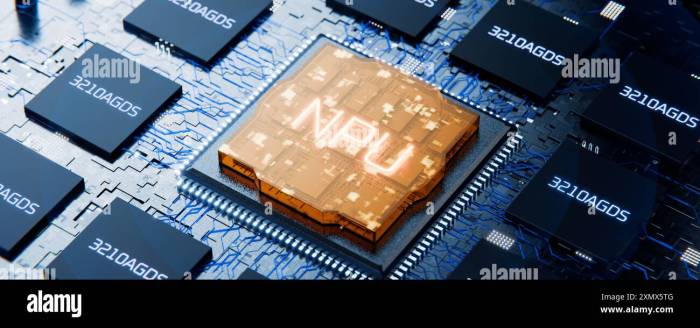
Neural Processing Units (NPUs) have emerged as a transformative technology across various industries, significantly enhancing computational efficiency and enabling advanced machine learning applications. By leveraging their specialized architecture, NPUs demonstrate substantial improvements in processing speed and energy efficiency, making them ideal for tasks that require real-time data analysis and decision-making.NPUs are currently employed in several sectors, including healthcare, automotive, and finance, showcasing their versatility and effectiveness.
These applications not only optimize existing processes but also open new avenues for innovation and operational excellence. Below is a detailed exploration of specific industries utilizing NPUs, along with successful case studies that highlight their impact.
Healthcare Applications
In the healthcare sector, NPUs are playing a crucial role in improving diagnostic accuracy and patient outcomes. Their advanced capabilities allow for the rapid analysis of complex medical data, such as medical imaging, genomics, and patient monitoring systems. Key implementations include:
- Image Analysis: NPUs are utilized in analyzing radiology images to detect anomalies with higher precision, contributing to earlier diagnosis and treatment plans.
- Genomic Research: NPUs accelerate the processing of genomic data, facilitating personalized medicine by enabling faster and more accurate interpretation of genetic information.
- Predictive Analytics: Hospitals are employing NPUs for predictive analytics, assessing patient data to forecast health issues and potentially reducing emergency room visits.
Automotive Industry Innovations
The automotive industry increasingly relies on NPUs to enhance autonomous driving capabilities and improve vehicle safety systems. Their ability to process vast amounts of data from various sensors in real-time is fundamental to the development of intelligent transportation systems.Notable applications include:
- Advanced Driver Assistance Systems (ADAS): NPUs are integrated into ADAS to process inputs from cameras and radar, enhancing features like lane-keeping assistance and adaptive cruise control.
- Autonomous Vehicles: The deployment of NPUs in self-driving cars allows for the rapid analysis of environmental data, enabling vehicles to make quick decisions based on real-time conditions.
Financial Sector Developments
In finance, NPUs facilitate high-frequency trading, fraud detection, and risk management through their processing capabilities. This technology can analyze market trends and transaction patterns, enabling faster and more secure operations.Examples of implementation include:
- Fraud Detection Systems: Financial institutions utilize NPUs to identify and mitigate fraudulent activities by analyzing transaction data in real-time.
- Algorithmic Trading: NPUs support algorithmic trading strategies by processing large datasets quickly, allowing traders to capitalize on market movements with minimal latency.
Emerging Fields for NPU Applications
Looking to the future, several emerging fields are positioned to benefit from the advancements brought by NPUs. These areas hold significant potential for operational transformation through enhanced computational efficiency.Prominent areas include:
- Smart Manufacturing: NPUs can be employed in smart factories for real-time monitoring and predictive maintenance of machinery.
- Internet of Things (IoT): The integration of NPUs in IoT devices can provide enhanced data processing capabilities, allowing for smarter decision-making at the edge.
- Augmented Reality (AR) and Virtual Reality (VR): NPUs are expected to revolutionize AR and VR applications by enabling more immersive experiences through real-time data processing and rendering.
Challenges and Limitations of Neural Processing Units
The implementation of Neural Processing Units (NPUs) has garnered substantial attention due to their capability to accelerate machine learning and artificial intelligence tasks. However, several challenges and limitations affect their development and deployment in practical applications. Addressing these obstacles is crucial for maximizing the potential of NPUs in various industries.
Technical Challenges in Development and Deployment
The development and deployment of NPUs involve several technical challenges. These challenges must be addressed to ensure effective utilization and integration into existing systems. Key issues include:
- The complexity of designing NPUs that can efficiently handle diverse workloads, which requires sophisticated architecture and optimization techniques.
- Thermal management becomes a significant concern as NPUs generate considerable heat during operation, necessitating innovative cooling solutions to maintain performance and reliability.
- The need for specialized software and development frameworks that can leverage NPU capabilities effectively, which may not be readily available or standardized across platforms.
- The challenge of integrating NPUs with existing hardware systems, which often requires substantial modifications to both software and hardware to achieve compatibility.
Limitations in Scalability and Compatibility
Scalability and compatibility issues present additional hurdles in the widespread adoption of NPUs. These limitations can hinder their effectiveness in various applications. Important points to consider include:
- NPUs are often designed for specific tasks or algorithms, which can limit their scalability across different applications or industries, restricting their flexibility.
- Compatibility with legacy systems poses a challenge, as many existing infrastructures may not support advanced NPU architectures, leading to potential integration difficulties.
- The rapid evolution of AI technologies means that NPUs must continually adapt, which can lead to obsolescence if they are not designed with future developments in mind.
- Vendor lock-in can occur, where dependence on a specific NPU manufacturer limits options for scaling and upgrading systems, potentially leading to increased costs and reduced innovation.
Cost versus Performance Benefits in Real-World Applications
When considering the implementation of NPUs, the cost versus performance benefits must be evaluated. While NPUs can provide significant advantages in processing speed and efficiency, the initial investment and ongoing costs can be substantial. Key considerations include:
- The high upfront costs associated with acquiring NPUs can be prohibitive for smaller organizations, making it difficult for them to compete with larger entities that can absorb these expenses.
- Real-world applications, such as image recognition and natural language processing, often yield substantial performance improvements with NPUs; however, the return on investment may take time to realize depending on the scale of deployment.
- Ongoing operational costs, including maintenance, energy consumption, and potential software licensing fees, must be factored into the overall cost-benefit analysis to determine the feasibility of NPU deployment.
- Comparative studies indicate that while NPUs significantly outperform general-purpose processors in specific tasks, the performance gains may not always justify the costs in less demanding applications.
Effective management of the challenges and limitations surrounding NPUs is essential for harnessing their full potential and driving advancements in artificial intelligence.
Future Innovations and Trends in Neural Processing Unit Technology
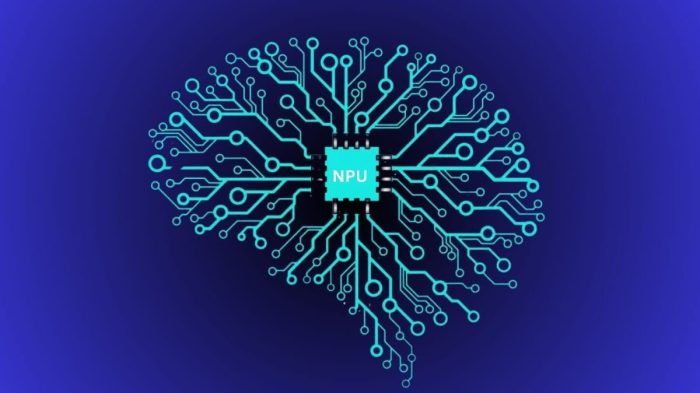
The landscape of artificial intelligence is evolving rapidly, and at the forefront of this transformation is the Neural Processing Unit (NPU) technology. As the demand for faster and more efficient processing of AI algorithms continues to grow, innovations in NPU design and functionality are poised to revolutionize the way we approach machine learning and data processing tasks. This segment explores anticipated trends and breakthroughs in NPU technology that are expected to significantly influence the future of artificial intelligence.Advancements in NPU technology are expected to lead to a multitude of enhancements that will optimize performance, efficiency, and functionality in AI applications.
These innovations will not only improve computational capabilities but also enable new applications and services that were previously unattainable. By embracing these trends, industries can harness the full potential of artificial intelligence, making it more accessible and effective.
Anticipated Breakthroughs in NPU Design and Functionality, NPU (Neural Processing Unit)
Several key innovations are anticipated to drive the evolution of NPU technology. These breakthroughs aim to enhance the computational efficiency, power consumption, and versatility of NPUs. Below are some noteworthy developments that are expected to shape the next generation of NPUs:
- Integration of Quantum Computing: The combination of NPU technology with quantum computing capabilities could revolutionize computation speeds and the types of problems that can be solved efficiently.
- Neuromorphic Computing: The implementation of neuromorphic architectures that mimic the human brain’s neural structures may lead to more natural and efficient processing of AI tasks.
- Enhanced Edge Computing: NPUs designed specifically for edge devices will allow for real-time processing and decision-making, reducing latency and bandwidth usage in IoT applications.
- On-chip Learning Capabilities: Future NPUs may incorporate mechanisms for real-time learning on-chip, enabling systems to adapt and improve their performance autonomously without needing to revert to cloud resources.
- Improved Energy Efficiency: Innovations focused on reducing power consumption while maintaining high performance levels will make NPUs more sustainable and suitable for a variety of applications, particularly in mobile devices.
- Advanced Interconnect Technologies: Future NPUs may leverage state-of-the-art interconnect solutions that enhance data transfer rates between components, further optimizing performance.
“The next generation of NPUs will redefine the boundaries of what is possible in artificial intelligence, paving the way for applications and services that are more intelligent, efficient, and responsive.”
The Role of NPUs in Advancing Artificial Intelligence Capabilities
The integration of Neural Processing Units (NPUs) into computing systems has revolutionized the landscape of artificial intelligence (AI). These specialized processors are designed to execute neural network algorithms with unmatched efficiency, thereby enhancing the capabilities of deep learning models. By significantly improving computational speed and performance, NPUs play a crucial role in advancing AI technologies.NPUs enhance the performance of deep learning models and algorithms by providing parallel processing capabilities that allow multiple tasks to be executed simultaneously.
Unlike traditional CPUs, which are optimized for general-purpose tasks, NPUs are specifically engineered for the type of calculations that neural networks require. This focus on parallelism leads to faster data processing, enabling models to learn more effectively from large datasets and produce more accurate predictions.
Reduction of Training Times for Complex AI Models
The efficiency of NPUs is particularly significant in reducing the training times for complex AI models, which often involve immense datasets and intricate structures. The advancements in NPU technology allow these models to be trained in a fraction of the time it would take with conventional hardware. For instance, a study by Google demonstrated that using their Tensor Processing Units (TPUs), which function similarly to NPUs, reduced the training time of the large Transformer model from weeks to just a few days.
This decrease in training time not only accelerates research and development cycles but also enables faster deployment of AI solutions across various sectors.
Examples of Advanced AI Applications Benefiting from NPU Integration
Numerous advanced AI applications have directly benefited from the integration of NPUs, showcasing the profound impact these processors have on technology. The following examples illustrate the diverse fields where NPUs are making significant contributions:
- Image Recognition: NPUs power image recognition technologies used in security systems and autonomous vehicles. For instance, companies like NVIDIA utilize NPUs in their Jetson platform to facilitate real-time image processing, enhancing object detection and classification tasks.
- Natural Language Processing: In the realm of natural language processing (NLP), NPUs are instrumental in training models like OpenAI’s GPT series, which require substantial computational power for tasks such as language translation and sentiment analysis.
- Healthcare Diagnostics: AI applications in healthcare, such as diagnostic imaging, leverage NPUs to analyze medical images rapidly. This capability allows for quicker diagnoses and personalized treatment plans, ultimately improving patient outcomes.
- Smart Assistants: Virtual assistants like Google’s Assistant and Apple’s Siri utilize NPUs to process voice commands efficiently. This enhances user experience by providing real-time responses and contextually relevant information.
The versatility of NPUs enables a wide array of advanced AI applications, driving innovation and improving efficiency across many industries. As these technologies continue to evolve, the potential for NPUs to further enhance AI capabilities remains promising, paving the way for the next generation of intelligent systems.
Ethical Considerations Surrounding the Use of Neural Processing Units
The proliferation of Neural Processing Units (NPUs) has ushered in remarkable advancements in various sectors, including artificial intelligence and machine learning. However, their application in sensitive areas such as surveillance and data privacy raises significant ethical concerns that must be addressed. The capability of NPUs to process vast amounts of data at unprecedented speeds can lead to potential misuse, necessitating a careful examination of the implications involved.The ethical implications of leveraging NPUs extend beyond mere technological capabilities and touch upon fundamental principles of human rights and privacy.
As NPUs become increasingly integrated into surveillance systems, they may enable invasive monitoring of individuals, infringing upon personal freedoms and civil liberties. The risk of data breaches or unauthorized access to sensitive information heightens concerns regarding data privacy. It is paramount that developers and organizations recognize their role in mitigating these risks and prioritizing ethical standards in NPU deployment.
Responsibilities of Developers in Ethical NPU Utilization
Developers and organizations wield significant influence over how NPUs are utilized, which brings forth a critical responsibility to ensure that these technologies benefit society. Establishing ethical frameworks for NPU deployment is essential to promote socially responsible practices. The following points highlight key responsibilities that developers should uphold:
- Transparency: Developers should communicate the purpose and functioning of NPUs to users and stakeholders, ensuring that the technology’s capabilities are clearly understood.
- Accountability: Organizations must establish mechanisms for accountability, ensuring that NPUs are used in ways that align with ethical standards and do not infringe on individual rights.
- Fairness: NPUs should be designed and deployed to avoid bias, ensuring equitable treatment of all individuals regardless of race, gender, or socioeconomic status.
- Data Protection: Developers must implement robust security measures to safeguard sensitive information processed by NPUs, adhering to regulations surrounding data privacy.
- Community Engagement: Engaging with communities to understand their concerns and incorporating their feedback into the design and implementation of NPU applications can foster trust and acceptance.
Establishing Guidelines for Ethical Practices
To navigate the ethical complexities surrounding NPUs, it is vital to establish comprehensive guidelines that govern their utilization. These guidelines should promote responsible practices, ensuring that NPUs are used for the greater good. Key components of effective guidelines include:
- Ethical Design Principles: Frameworks should be developed to guide the ethical design of NPUs, addressing potential biases and ensuring equitable outcomes.
- Regulatory Compliance: Organizations should adhere to local and international regulations concerning data privacy and surveillance, reinforcing ethical practices in NPU applications.
- Use Case Evaluation: A thorough evaluation of the potential implications of NPU applications should be conducted, prioritizing use cases that enhance societal welfare while minimizing risks.
- Ongoing Education: Continuous education and training on ethical practices for developers and stakeholders involved in NPU deployment can promote a culture of responsibility and awareness.
- Collaboration with Ethicists: Engaging ethicists in the development process can provide valuable insights, ensuring that ethical considerations are integral to NPU applications.
“Ethical considerations in the deployment of NPUs are not merely optional; they are imperative for fostering trust and safeguarding human rights in an increasingly data-driven world.”
FAQ Guide
What is the primary function of an NPU?
The primary function of an NPU is to efficiently process and accelerate neural network computations, optimizing performance for machine learning tasks.
How do NPUs compare in energy efficiency to CPUs and GPUs?
NPUs are designed to be more energy-efficient than CPUs and GPUs, particularly in handling large-scale neural network tasks, which leads to lower operational costs.
Can NPUs be used alongside traditional CPUs and GPUs?
Yes, NPUs can be integrated with traditional CPUs and GPUs in a hybrid processing environment to complement each unit’s strengths and enhance overall performance.
What industries are currently leveraging NPUs?
Industries such as healthcare, automotive, finance, and telecommunications are actively leveraging NPUs for enhanced computational capabilities and efficiency.
What are potential future applications of NPUs?
Potential future applications of NPUs include advancements in autonomous systems, real-time data analysis, and sophisticated AI-driven solutions in various fields.

Rahmi Miller is a passionate technology writer at bulldogrool.com, specializing in emerging digital trends, smart innovations, and practical tech solutions for everyday life. With a keen eye for detail and a deep curiosity about how technology shapes the future, Rahmi delivers clear, engaging, and insightful content that helps readers stay ahead in a fast-moving digital world.