Layar OLED 3K/4K presents an exciting evolution in display technology, merging stunning visuals with advanced functionality to redefine user experiences across various devices. As OLED technology has developed, it has revolutionized how we consume media, play games, and interact with smart devices, showcasing unparalleled color accuracy and contrast.
With its high resolutions and enhanced capabilities, OLED 3K and 4K displays offer a remarkable difference compared to traditional display technologies. The advancements have empowered users with richer visuals, making them a preferred choice for gaming, multimedia, and professional applications. Moreover, the benefits of OLED technology extend to areas such as energy efficiency and sustainability, pushing the boundaries of what modern displays can achieve.




The technological advancements of OLED displays in modern devices
The evolution of OLED (Organic Light Emitting Diode) technology has transformed the display industry over the past few decades. Initially introduced in the late 1980s, OLED displays have advanced significantly, moving from simple monochrome displays to vibrant, high-resolution screens that dominate the market today. This evolution reflects ongoing innovations in materials, manufacturing processes, and design, rendering OLED a preferred choice for various applications.OLED 3K and 4K displays represent a significant leap from traditional display technologies, such as LCD (Liquid Crystal Display) and LED (Light Emitting Diode).
Unlike these conventional technologies, which rely on a backlight to illuminate pixels, OLED technology allows each pixel to emit its own light. This fundamental difference results in several notable improvements in display quality. Firstly, OLED displays provide superior contrast ratios, as they can turn individual pixels off completely, achieving true blacks. This capability enhances the overall viewing experience, allowing for more detail in dark scenes and vibrant colors that stand out against deep blacks.
In terms of resolution, 3K (3000 x 2000 pixels) and 4K (3840 x 2160 pixels) OLED displays deliver higher pixel densities than traditional displays, resulting in sharper and more detailed images. Furthermore, OLED technology boasts a wider color gamut, enabling the display of a broader range of colors with greater accuracy. This is particularly beneficial in fields where color precision is crucial, such as graphic design, photography, and video production.
The fast response times of OLED panels also reduce motion blur in fast-moving images, making them ideal for gaming and sports viewing.
Applications showcasing the benefits of OLED technology
The versatility of OLED technology has led to its adoption in various applications, which benefit from its unique characteristics. Notable applications include:
- Smartphones: OLED displays dominate the smartphone market, providing vibrant colors, deep blacks, and energy efficiency, which extends battery life.
- Televisions: High-end OLED TVs offer an immersive viewing experience, featuring exceptional picture quality for movies and streaming content.
- Wearable Devices: The lightweight and flexible nature of OLED allows for innovative designs in smartwatches and fitness trackers, improving user experience.
- Virtual Reality Headsets: OLED technology enhances the realism and immersion in VR environments with high refresh rates and accurate color reproduction.
- Automotive Displays: Increasingly, OLED panels are used in vehicle dashboards and infotainment systems, providing clearer visibility and stylish aesthetics.
OLED technology has revolutionized display quality by enabling true blacks, a wider color gamut, and superior energy efficiency.
The benefits of using 3K OLED screens for gaming and multimedia
The advancement of display technology has ushered in an era of 3K OLED screens, which provide exceptional visual quality that significantly enhances gaming and multimedia experiences. With a resolution of 3072 x 1728 pixels, 3K displays offer sharper images and greater detail compared to their 1080p counterparts. This clarity is particularly valuable for gamers and multimedia enthusiasts seeking immersive experiences that showcase every minute detail and vibrant color.One of the pivotal advantages of 3K resolution for gamers is the increased pixel density, which results in crisper visuals and improved immersion.
This heightened clarity allows players to identify distant objects and enemies with greater ease, providing a strategic advantage in competitive gaming environments. Coupled with the deep blacks and vibrant colors characteristic of OLED technology, 3K displays render game worlds that are not only visually stunning but also rich in depth and realism. For instance, the bright and vivid color palette enhances the atmosphere in games, creating a more engaging experience that pulls players into their virtual environments.
Impact of refresh rates on gaming performance with OLED displays
Refresh rates are crucial for delivering smooth and responsive gameplay, and OLED displays often support higher refresh rates than traditional LCDs. A higher refresh rate, typically 120Hz or more, allows for more frames to be displayed per second, resulting in fluid movement and reduced motion blur. This is especially important in fast-paced gaming genres such as first-person shooters and racing games, where split-second decisions can determine the outcome of a match.The following points illustrate the importance of refresh rates in enhancing gaming performance with OLED technology:
- Smooth Gameplay: Higher refresh rates ensure that animations and movements appear more fluid, reducing choppy visuals that can distract players.
- Reduced Input Lag: A faster refresh rate contributes to lower input lag, allowing players to see the results of their actions almost immediately, which is critical in competitive gaming.
- Enhanced Responsiveness: Games with a higher refresh rate can react promptly to player inputs, creating a more responsive gaming environment where actions feel instantaneous.
- Improved Visual Clarity: The combination of high refresh rates and OLED’s pixel response time minimizes blurring during rapid movements, revealing greater detail even in fast-paced scenes.
- Better Adaptation to Frame Rates: OLED displays can handle variable frame rates more efficiently, ensuring that gameplay remains smooth even when a game’s frame rate fluctuates.
The synergy between 3K resolution and high refresh rates in OLED technology creates a dynamic visual experience that caters to the needs of gamers and multimedia users alike. The enhanced clarity provided by 3K resolution, combined with the smooth performance afforded by high refresh rates, positions 3K OLED screens as a premier choice for those seeking cutting-edge visual technology in gaming and multimedia applications.
Moreover, as game developers continue to push the boundaries of graphics fidelity, having a display that can faithfully reproduce these advancements in resolution and refresh rates is essential for gamers who wish to remain at the forefront of the gaming experience. The combination of these features ensures that users are not only seeing their games as intended but also enjoying the performance necessary for competitive play.
Comparing the advantages and disadvantages of 4K OLED displays
The emergence of 4K OLED displays has significantly transformed the visual experience for consumers and professionals alike. 4K resolution, which boasts four times the pixel density of standard Full HD, offers exceptional clarity and detail, while OLED technology enhances color accuracy and contrast. These displays have become increasingly popular in various applications, including gaming, film, and professional design work, due to their superior visual performance.
However, despite their many advantages, potential drawbacks exist that users should consider before making a purchase decision.
Key Features and Potential Drawbacks of 4K OLED Technology
K OLED displays stand out in the market due to several key features that enhance the viewing experience. The combination of 4K resolution and OLED technology results in deeper blacks, vibrant colors, and wide viewing angles. This quality creates a more immersive experience for users, whether they’re watching movies, playing video games, or working on graphic design projects. The following points highlight the advantages:
- Exceptional image quality: 4K OLED displays produce stunningly detailed images with vibrant colors and high contrast ratios.
- Wide color gamut: OLED technology allows for a broader spectrum of colors, providing more accurate and lifelike images.
- Fast response times: Perfect for gaming and fast-paced videos, OLED displays offer minimal motion blur.
- Thinner and lighter designs: OLEDs can be made much thinner than traditional displays, making them more versatile for various applications.
Despite these advantages, potential drawbacks of 4K OLED technology can impact users’ experiences. One significant issue is the risk of burn-in, where static images can leave a permanent mark on the display, affecting long-term usage. Another concern is the cost; 4K OLED displays are typically more expensive than their LED counterparts, which may deter budget-conscious consumers. Additionally, while the resolution is impressive, it may not be necessary for all viewing scenarios.
For example, when viewing from a distance or with smaller screen sizes, the human eye may not discern the benefits of 4K resolution, making it an unnecessary investment. Furthermore, the content availability for 4K is still growing, and many media sources do not yet provide content optimized for 4K viewing. Users may find themselves limited in their ability to fully utilize their displays without adequate content.
In scenarios such as casual movie watching or everyday television viewing, where viewers sit several feet away from the screen, the benefits of 4K resolution diminish. Standard HD content can suffice for these situations, making the higher resolution less relevant. Gamers may also experience scenarios where gameplay is not optimized for 4K, depending on the hardware capabilities of their gaming systems, further questioning the necessity of such high resolution.
These considerations are crucial when evaluating the investment in a 4K OLED display, as potential drawbacks could influence the overall satisfaction with the product.
The role of OLED technology in the future of smart TVs
The advancements in OLED technology are poised to significantly transform the landscape of smart televisions. As consumers increasingly seek enhanced picture quality and innovative features, OLED displays offer a unique combination of benefits that cater to these demands. With the ability to deliver vivid colors, deep blacks, and improved energy efficiency, OLED technology is becoming an integral part of the future of smart TVs, influencing both design and functionality.The incorporation of OLED technology in smart TVs enhances both the viewing experience and the overall functionality of the devices.
OLED panels utilize organic compounds that emit light when an electric current is applied, allowing for individual pixel control. This leads to superior contrast ratios, as pixels can turn off completely to achieve true blacks, which in turn enhances picture clarity. Moreover, OLED displays provide wider viewing angles, ensuring that picture quality remains consistent regardless of the viewer’s position in the room.
As manufacturers continue to innovate, several emerging trends are evident in the development of OLED displays for smart TVs. These trends reflect the industry’s response to consumer preferences and technological advancements:
Emerging Trends in OLED Displays for Smart TVs
The following trends highlight the ongoing evolution of OLED technology within the realm of smart TVs:
- 8K Resolution Integration: As 8K content becomes more accessible, OLED technology is adapting to provide higher resolution capabilities. The combination of OLED’s superior color accuracy and 8K resolution allows for an unparalleled level of detail, making it ideal for high-definition content consumption.
- Flexible Displays: The development of flexible OLED screens is revolutionizing design possibilities for smart TVs. Manufacturers are experimenting with rollable and bendable screens, offering consumers new ways to integrate televisions into their living spaces.
- Increased Energy Efficiency: OLED panels consume less power than traditional LED displays, especially when displaying darker content. As energy efficiency becomes a key concern for consumers, OLED technology is positioned as a sustainable choice for smart TVs.
- Integration of Smart Features: OLED technology is not just limited to display quality; it also supports advanced smart features. Enhanced connectivity, voice control, and compatibility with smart home systems are becoming standard in OLED-equipped smart TVs, enriching user interactions.
The shift toward OLED technology is also influencing market dynamics and consumer preferences. As consumers become more discerning, the demand for high-quality viewing experiences continues to grow. Market research indicates that OLED TVs are increasingly seen as premium products, which may lead to a shift in consumer purchasing behaviors. A notable example is the rise of LG and Sony in the high-end television segment, where OLED has become synonymous with superior picture quality.
According to industry reports, OLED TV sales have shown significant growth over the past few years, surpassing sales of traditional LCD models in premium categories. This trend reflects a broader consumer shift toward investing in quality over quantity, where buyers are willing to pay a premium for experiences that enhance their viewing pleasure.In summary, OLED technology is not merely a trend but a transformative force that is shaping the future of smart TVs.
The continued development of OLED displays promises to meet the evolving demands of consumers while driving innovation and competition in the television market.
Understanding the manufacturing process of OLED displays

The manufacturing process of OLED (Organic Light Emitting Diode) displays is a sophisticated and intricate procedure that combines advanced materials science with cutting-edge technology. This process is vital for producing high-quality screens used in various electronic devices, such as smartphones, televisions, and monitors. Understanding the steps involved not only highlights the complexity of OLED technology but also emphasizes the importance of material selection in achieving optimal performance.The manufacturing of OLED panels involves several key stages, each critical to ensuring the final product meets the desired specifications and quality standards.
The following provides a detailed overview of each stage in the production of OLED displays.
Step-by-step process in creating OLED panels
The development of OLED panels involves a series of meticulously planned steps, each focusing on a specific aspect of the manufacturing process. The importance of each stage is paramount as it contributes directly to the overall quality and functionality of the OLED display.
Substrate Preparation
The process begins with the selection and preparation of the substrate, which can be made from glass or flexible plastic. The substrate must be cleaned thoroughly to remove any contaminants that could affect the quality of the OLED layers applied later.
Deposition of Organic Layers
Using techniques such as vacuum thermal evaporation (VTE) or organic vapor phase deposition (OVPD), organic materials are deposited in precise layers. These layers include the emissive layer, which emits light, and the conductive layers, which facilitate electron and hole transport.
Formation of Anode and Cathode
The anode, typically made of indium tin oxide (ITO), is applied to the substrate, followed by the organic layers. The cathode is then added, often composed of metals such as aluminum or silver, which play an essential role in collecting electrons. – Encapsulation After the organic layers are deposited and the cathode is applied, the panel is encapsulated to protect it from moisture and oxygen, which can degrade the organic materials.
This is achieved through the application of barrier films or glass.
Testing and Quality Control
Once the OLED panels are completed, rigorous testing is conducted to assess their performance, including brightness, color accuracy, and uniformity. Any panels that do not meet the specified standards are discarded or recycled.
Materials used in OLED production
The choice of materials in OLED production is critical, impacting the performance, efficiency, and longevity of the displays. Each material serves a specific function in the overall operation of the panel.
Organic Compounds
The light-emitting layers consist of various organic compounds, such as small molecules or polymers. These materials are chosen for their ability to emit light when an electric current passes through them. The efficiency and color of light produced depend significantly on these compounds.
Conductive Materials
The anode and cathode materials must have excellent conductivity properties. Indium tin oxide (ITO) is commonly used for the anode due to its transparency and conductivity, while the cathode is often made from metals like aluminum, which provide efficient electron flow.
Encapsulation Materials
The encapsulation layer is essential for protecting the organic layers from environmental factors. Materials used for encapsulation must offer excellent moisture and oxygen barrier properties to enhance the lifespan of the OLED display.
Infographic explaining the manufacturing stages of OLED displays
A detailed infographic illustrating the manufacturing stages of OLED displays would visually depict the following key processes:
Substrate Preparation
A visual representation showcasing the cleaning and preparation of the substrate.
Layer Deposition
An illustration of the deposition techniques (VTE and OVPD) along with the various organic layers being applied.
Anode and Cathode Formation
Diagrams highlighting the application of ITO as the anode and metal layers as the cathode.
Encapsulation
A depiction of the encapsulation process, emphasizing the materials used for protection.
Testing and Quality Control
An overview of the testing stages, highlighting the parameters checked for quality assurance.In conclusion, the manufacturing process of OLED displays is a multi-faceted operation that requires precision and attention to detail at every stage. The selection of materials significantly influences the quality and performance of the final product, making an understanding of this process essential for anyone interested in OLED technology.
The impact of OLED technology on the environment
The emergence of OLED (Organic Light Emitting Diodes) technology has brought significant advancements in the field of display technology, particularly concerning its environmental implications. Unlike traditional display technologies, OLEDs provide a pathway toward more sustainable manufacturing practices and energy efficiency. This discussion focuses on the sustainability aspects of OLED manufacturing and highlights the ecological benefits of this innovative technology compared to others, such as LCD (Liquid Crystal Display).OLED technology is characterized by its use of organic compounds that emit light when an electric current is applied.
This fundamental difference leads to various environmental advantages. The manufacturing processes of OLED displays involve fewer harmful materials and chemicals than those used in LCD production. For instance, traditional LCDs rely on toxic substances such as mercury, which poses significant environmental risks during both production and disposal. Conversely, OLEDs generally utilize carbon-based materials, which are less harmful. Furthermore, OLED panels do not require backlighting due to their self-emissive nature, reducing the need for additional components that consume more energy.
Energy Consumption Comparison between OLED and LCD Displays
The energy efficiency of display technologies plays a crucial role in determining their overall environmental impact. OLED displays are known for their lower energy consumption, particularly during operation. The following table illustrates a comparison of energy consumption between OLED and LCD displays:
| Display Type | Energy Consumption (Watt per hour) | Environmental Impact |
|---|---|---|
| OLED | 30-40 W | Lower carbon footprint due to reduced energy usage |
| LCD | 50-70 W | Higher carbon emissions due to increased energy consumption |
This comparison highlights that OLED displays consume significantly less power than their LCD counterparts, especially in darker viewing scenarios where individual pixels can be turned off completely. As a result, OLED technology contributes to energy savings and reduces greenhouse gas emissions associated with electricity production. Moreover, the longevity of OLED displays also enhances their ecological footprint. Although there are concerns regarding the lifespan of OLEDs, advancements in technology have steadily increased their durability and efficiency.
This longevity implies that OLED displays need to be replaced less frequently than traditional LCDs, further minimizing waste and resource depletion associated with manufacturing and disposal.In conclusion, OLED technology stands out as a more environmentally friendly option compared to traditional display technologies like LCD. Its sustainability is evident through reduced energy consumption, less harmful manufacturing processes, and a longer lifespan that collectively contribute to a decreasing ecological impact.
The influence of OLED displays on mobile devices
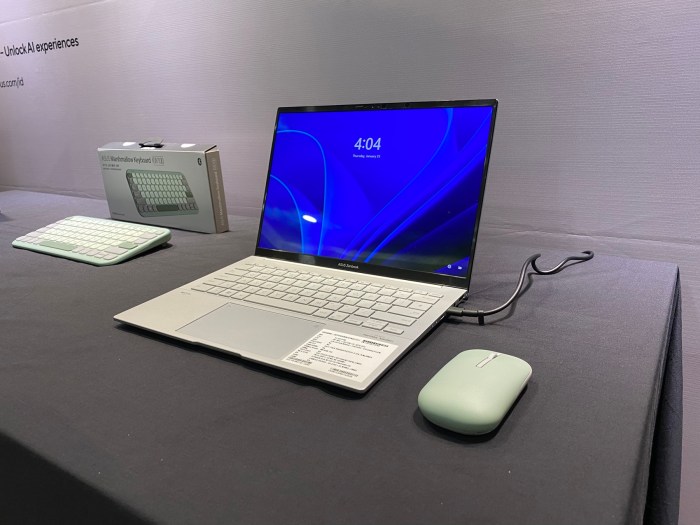
The emergence of OLED (Organic Light Emitting Diode) technology has revolutionized the visual experience on mobile devices, particularly smartphones. This innovative display technology has greatly enhanced screen quality by providing deeper blacks, vibrant colors, and energy efficiency. As a result, users enjoy a more immersive viewing experience whether they are watching videos, browsing photos, or engaging with applications.Smartphones featuring OLED displays offer substantial advantages to app developers, making the design process both exciting and challenging.
The unique characteristics of OLED technology allow for greater flexibility in visual design and functionality. The ability to render true blacks is one of the most significant benefits. Since OLED pixels emit their own light, when a pixel is turned off, it produces a true black, enhancing contrast significantly. This capability enables developers to create visually stunning applications and interfaces that captivate users.
Additionally, OLED displays are known for their wide color gamut and high dynamic range. Developers can leverage these features to design applications with rich color schemes and intricate details that appear vibrant on the screen. This is particularly valuable for photography and video editing applications, where color accuracy is paramount.Furthermore, OLED technology enables energy-saving features like dark mode, which not only enhances aesthetics but also prolongs battery life.
As consumers increasingly seek longer battery performance, developers can implement dark themes more effectively, knowing that they will benefit both user experience and power consumption.Several popular smartphones are now utilizing OLED technology to elevate their display capabilities. For instance, the Apple iPhone 14 Pro features an OLED display that supports ProMotion technology, offering a 120Hz refresh rate for smoother scrolling and animations.
Similarly, the Samsung Galaxy S22 showcases a Dynamic AMOLED 2X display, which not only enhances color accuracy but also supports HDR10+ for superior video playback.In summary, OLED technology has transformed the smartphone industry by providing developers with the tools to create engaging, visually appealing applications that enhance the user experience while also promoting battery efficiency.
Exploring the market trends for OLED 3K and 4K displays: Layar OLED 3K/4K
The evolution of OLED technology has significantly reshaped the landscape of display technology, particularly with the advent of 3K and 4K resolutions. This transformation is underscored by a growing demand for high-quality visual experiences across various sectors, including consumer electronics, gaming, and professional applications. As manufacturers enhance their offerings, understanding market trends and consumer preferences will be crucial in predicting future demands for OLED displays.Recent market statistics illustrate a robust trajectory for OLED display sales, particularly in the 3K and 4K segments.
According to a report from market research firm IDC, global OLED display revenue reached approximately $24 billion in 2022, with projections suggesting a compound annual growth rate (CAGR) of 10% through 2027. This growth is predominantly driven by increased consumer adoption in home entertainment, gaming, and personal computing sectors. The shift towards 4K content, coupled with the advantages of OLED technology, such as superior contrast ratios, vibrant colors, and faster response times, positions OLED displays as a desirable choice for end-users.
Potential future demand for 3K and 4K OLED products, Layar OLED 3K/4K
The potential future demand for 3K and 4K OLED products is influenced by several key factors, including advancements in technology, content availability, and consumer preferences. As 4K content becomes more prevalent across streaming platforms, the demand for compatible displays is expected to surge. The increasing popularity of 4K gaming and the rise of next-generation gaming consoles further contribute to this trend.The following points illustrate the factors driving future demand:
- Growing content ecosystem: With platforms like Netflix, Disney+, and YouTube investing heavily in 4K content, consumers are more likely to seek compatible displays to enjoy an immersive viewing experience.
- Gaming innovations: The launch of consoles like the PlayStation 5 and Xbox Series X, both supporting 4K gaming, has accelerated the demand for high-resolution displays that can enhance gameplay experiences.
- Increasing consumer awareness: As consumers become more informed about the benefits of OLED technology, including better picture quality and energy efficiency, they are more inclined to invest in premium displays.
- Adoption in professional sectors: Industries requiring high precision in color accuracy, such as graphic design and video production, are increasingly adopting 4K OLED displays for their superior performance.
Furthermore, the competitive landscape is shaped by several key players who significantly contribute to innovation in the OLED market. Companies such as Samsung Display, LG Display, and Sony have been at the forefront of OLED technology, each making substantial investments in research and development. Samsung Display, for instance, has pioneered the development of QD-OLED (Quantum Dot OLED) technology, which enhances brightness and color accuracy, positioning them as a leader in the high-end display segment.
LG Display, on the other hand, has focused on large-format OLED panels for televisions and commercial applications, solidifying its role as a major player in the OLED TV market. In conclusion, the interplay of technological advancements, evolving consumer preferences, and a competitive landscape defined by innovation ensures that the demand for 3K and 4K OLED displays will continue to rise, setting the stage for a vibrant future in display technology.
The role of color accuracy in OLED displays for professional use
Color accuracy is a critical aspect of display technology, especially in professional fields such as photography, graphic design, and video production. For professionals who rely on visual fidelity, the ability to reproduce true-to-life colors is not just a preference; it is essential for delivering high-quality work that meets client expectations and industry standards. OLED technology has emerged as a leading choice for professionals due to its capacity to achieve remarkable color precision, making it an invaluable tool in creative workflows.OLED displays utilize organic light-emitting diodes that can produce deeper blacks and a wider color gamut compared to traditional LCD displays.
This capability is particularly significant for professions that require meticulous attention to color, such as photography and graphic design. When photographers edit images or designers create graphics, they need displays that accurately reflect the colors that will appear in print or on other devices. The superior color reproduction of OLEDs ensures that the colors seen on the screen are consistent with the final output, reducing the risk of discrepancies that could undermine a project’s quality.
Color Accuracy Metrics in Display Technology
When evaluating display technologies, several metrics highlight their color accuracy capabilities. These metrics are essential for professionals who demand the highest standards from their displays. The primary measurements include color gamut, Delta E, and color temperature, which collectively determine a display’s fidelity in color reproduction.
- Color Gamut: This metric indicates the range of colors a display can produce. OLED displays typically cover a significant portion of the Adobe RGB and DCI-P3 color spaces, surpassing many LCDs that struggle with wider gamuts.
- Delta E: This metric quantifies color difference. A Delta E value of less than 2 is generally considered to be imperceptible to the human eye, making OLEDs an excellent choice as they often maintain Delta E values under 1 for accurate color reproduction.
- Color Temperature: The accuracy of white balance is critical for achieving true-to-life images. OLED displays can be calibrated to achieve specific color temperatures, ensuring that whites appear pure and that colors remain consistent across various lighting conditions.
“OLED displays offer unparalleled color accuracy with a Delta E value often below 1, making them ideal for color-critical applications.”
When comparing different display technologies, OLEDs consistently outperform traditional LCDs in terms of color accuracy. For instance, while standard LCDs achieve around 70% Adobe RGB coverage, high-end OLED displays can reach over 99%. This stark difference emphasizes the importance of selecting the right display technology to meet professional needs in visual accuracy and fidelity, ensuring that the final product aligns closely with the creator’s vision.
Potential health concerns associated with OLED screen usage
The growing popularity of OLED screens in various devices has raised awareness regarding potential health concerns associated with prolonged exposure. As OLED technology becomes more commonplace in televisions, smartphones, and computer monitors, it is essential to understand the implications of long-term usage on user health. Various studies have identified health-related issues that may arise due to the characteristics of OLED displays, such as flicker, blue light emission, and eye strain.
Prolonged exposure to OLED screens can lead to several health-related issues. One significant concern is digital eye strain, also known as computer vision syndrome, which manifests as symptoms such as dry eyes, blurred vision, and headaches. The blue light emitted by OLED screens can also disrupt circadian rhythms, contributing to sleep disturbances. Additionally, some users may experience discomfort due to screen flicker, which is often imperceptible but can lead to eye fatigue over time.
These conditions can affect productivity, general well-being, and quality of life.
Safety measures and recommendations for users
To mitigate the potential negative health impacts of using OLED displays, users can adopt several practices that enhance comfort and reduce strain. The following recommendations are crucial for maintaining eye health and overall well-being while using OLED technology:
- Implement the 20-20-20 rule: Every 20 minutes, take a 20-second break to look at something 20 feet away. This practice helps reduce eye fatigue.
- Adjust screen brightness: Set the brightness of your OLED screen to a comfortable level to minimize glare and eye strain.
- Use blue light filters: Employ blue light filtering software or glasses to reduce blue light exposure during evening hours.
- Maintain proper distance: Position your screen at least an arm’s length away to reduce strain on your eyes.
- Incorporate ambient lighting: Ensure that the room is adequately lit to reduce contrast between the screen and the surrounding environment.
- Regular eye check-ups: Schedule periodic visits to an eye care professional to monitor eye health and address any emerging issues.
Implementing these practices can greatly enhance the user experience and significantly mitigate any health-related concerns stemming from prolonged OLED screen usage.
Future innovations expected in OLED technology
The landscape of display technology is rapidly evolving, and OLED (Organic Light Emitting Diode) technology stands at the forefront of this transformation. As manufacturers invest heavily in research and development, several future innovations are anticipated to enhance OLED displays significantly. These advancements promise to improve not only the quality of images but also the overall consumer experience, marking a pivotal shift in how we interact with devices that utilize OLED technology.One of the prominent trends in OLED technology is the development of transparent and flexible displays.
This innovation is expected to redefine portability and design aesthetics across various applications, from smartphones to large-scale interactive screens in retail environments. Transparent OLEDs will enable unique user experiences, allowing for immersive product displays without obstructing visibility. Flexible OLEDs, on the other hand, can be integrated into a variety of surfaces, enabling new forms of devices that adapt to users’ needs while maintaining high-quality visuals.
Advancements in Efficiency and Lifespan
Research into next-generation OLED technologies is primarily focused on enhancing efficiency and lifespan. Traditional OLED displays, although known for their vibrant colors and deep blacks, have been limited by their longevity and power consumption. Upcoming innovations aim to address these issues by introducing new materials and manufacturing techniques. Recent studies indicate that the use of quantum dots in combination with OLED technology can improve color accuracy and energy efficiency.
Quantum dots, which are semiconductor particles only a few nanometers in size, can enhance light emission properties and reduce energy consumption significantly. This not only prolongs the lifespan of the display but also allows devices to function with less power, which is crucial for portable gadgets.Moreover, advancements in encapsulation technologies are anticipated to protect OLED panels from moisture and oxygen, further extending their lifespan.
The introduction of new barrier materials can help mitigate the degradation that has traditionally plagued OLED products. The impact of these innovations could be transformative. With longer-lasting and more efficient displays, consumers will enjoy devices that require less frequent charging, therefore improving convenience and usability. This will be particularly beneficial for mobile devices, where battery life is a critical factor.
Furthermore, as manufacturers create OLED displays that are more sustainable and environmentally friendly, the ecological footprint of technology will reduce. The shift towards sustainable materials and processes will not only appeal to environmentally conscious consumers but also drive industry standards towards greener practices.In summary, the future of OLED technology is promising, with innovations poised to enhance efficiency, lifespan, and functionality.
As these developments materialize, consumers will likely experience an unprecedented shift in how they interact with digital devices, characterized by richer visuals, longer use times, and enhanced sustainability.
Question & Answer Hub
What is the main advantage of OLED over LCD?
The main advantage of OLED over LCD is superior color accuracy and contrast, as OLED displays can turn off individual pixels, producing true blacks and vibrant colors.
Are OLED screens harmful to the eyes?
While OLED screens generally do not cause harm, prolonged exposure can lead to eye strain. It’s advisable to follow screen time guidelines and take regular breaks.
How does OLED technology impact battery life in devices?
OLED technology can improve battery life in devices by using less power when displaying darker images, as individual pixels can be turned off completely.
Can OLED displays be used outdoors?
Yes, OLED displays can be used outdoors, but they may be less visible in direct sunlight compared to other display technologies, such as LCDs, unless they are specifically designed for outdoor use.
What is the lifespan of an OLED display?
The lifespan of an OLED display can vary, but most modern OLEDs are designed to last around 30,000 to 100,000 hours under normal usage conditions.

Rahmi Miller is a passionate technology writer at bulldogrool.com, specializing in emerging digital trends, smart innovations, and practical tech solutions for everyday life. With a keen eye for detail and a deep curiosity about how technology shapes the future, Rahmi delivers clear, engaging, and insightful content that helps readers stay ahead in a fast-moving digital world.