Wi-Fi 7 is set to revolutionize the landscape of wireless communication by introducing groundbreaking advancements that enhance connectivity, speed, and efficiency. With its unprecedented technical specifications, Wi-Fi 7 stands as a significant leap forward from its predecessors, promising to transform how we interact with technology in our homes and workplaces. As we delve into the intricacies of Wi-Fi 7, we will explore its key features and implications for both casual users and professionals alike.
This new generation of Wi-Fi technology not only increases bandwidth and reduces latency but also improves overall user experience, making it an essential upgrade for streaming, gaming, and the burgeoning Internet of Things (IoT). Its deployment is anticipated to bring about a paradigm shift in connectivity, enabling smoother operations across various devices and applications.





Wi-Fi 7 Overview and Its Key Features
Wi-Fi 7, officially known as IEEE 802.11be, is the next generation of wireless networking technology, poised to revolutionize the way we connect and communicate. It builds upon the foundation laid by its predecessors, introducing significant advancements that enhance both speed and efficiency in wireless communication. Understanding the key features of Wi-Fi 7 is essential for appreciating its potential impact on both home and business networks.The foundational elements that distinguish Wi-Fi 7 from earlier versions, such as Wi-Fi 6, include substantial improvements in data throughput, latency, and overall network reliability.
Wi-Fi 7 is designed to support a theoretical maximum speed of up to 46 Gbps, which is a notable enhancement compared to the 9.6 Gbps offered by Wi-Fi 6. This increase is primarily achieved through the utilization of wider channels – up to 320 MHz – and the introduction of 4096-QAM (Quadrature Amplitude Modulation), allowing for more data to be transmitted simultaneously.
Furthermore, the technology employs Multi-Link Operation (MLO), enabling devices to connect over multiple frequency bands, thereby enhancing performance in congested environments.
Technological Advancements in Wi-Fi 7
The advancements introduced by Wi-Fi 7 significantly impact both home and business networks. These enhancements not only facilitate faster data transfer but also improve the overall user experience in various applications, from streaming high-definition content to supporting a multitude of smart devices. Essential technological improvements include:
- Multi-Link Operation (MLO): This feature allows devices to send and receive data over multiple channels at once, substantially reducing latency and improving throughput.
- Wider Channel Bands: By utilizing 320 MHz channel widths, Wi-Fi 7 can accommodate more data and support higher capacity networks, essential for high-density environments such as offices or public spaces.
- Improved QAM: The 4096-QAM modulation increases the number of bits transmitted per signal, thereby enhancing data rates without requiring additional bandwidth.
- Enhanced OFDMA: Orthogonal Frequency-Division Multiple Access allows for more efficient data transmission by dividing channels into smaller sub-channels, improving performance in crowded network scenarios.
The potential impact of these features can be observed in a variety of scenarios. For instance, businesses can leverage Wi-Fi 7 to support high-bandwidth applications like virtual reality and 4K streaming, ensuring seamless connectivity even during peak usage times. Home networks benefit as well, with faster speeds enabling multiple devices to operate simultaneously without degrading performance. This transformative technology is expected to redefine connectivity standards, paving the way for more efficient and reliable wireless communication across diverse settings.
The Technical Specifications of Wi-Fi 7
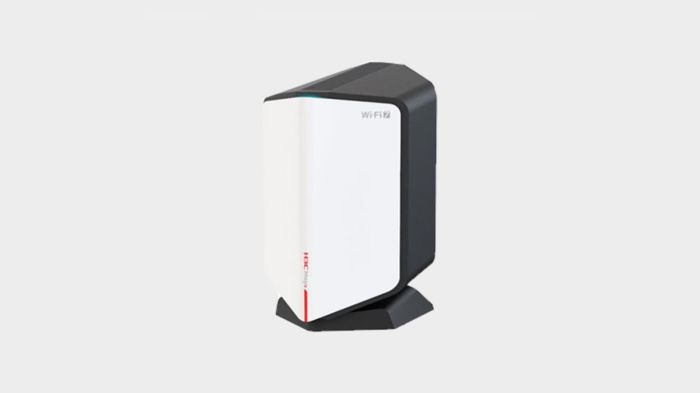
Wi-Fi 7, also known as 802.11be, represents a significant advancement in wireless communication technology. Designed to meet the increasing demands for higher speed, greater capacity, and improved efficiency, Wi-Fi 7 utilizes advanced features and techniques that set it apart from its predecessors. Key specifications include the use of new frequency bands and modulation techniques that enhance performance and user experience in diverse environments.The technical specifications of Wi-Fi 7 include support for the 2.4 GHz, 5 GHz, and 6 GHz frequency bands, allowing for broader spectrum utilization and increased data throughput.
One of the standout features of Wi-Fi 7 is its adoption of Multi-Link Operation (MLO), which facilitates simultaneous transmission across multiple channels, thereby optimizing bandwidth and reducing latency. The modulation techniques employed, particularly 4096-QAM, enable higher data rates by encoding more bits per symbol, further boosting performance.
Comparison of Wi-Fi Specifications
To better understand the advancements brought by Wi-Fi 7, it is essential to compare its specifications with those of Wi-Fi 6 and Wi-Fi 5. The following table summarizes the key specifications of each Wi-Fi generation, highlighting the improvements introduced with Wi-Fi 7.
| Specification | Wi-Fi 5 (802.11ac) | Wi-Fi 6 (802.11ax) | Wi-Fi 7 (802.11be) |
|---|---|---|---|
| Frequency Bands | 5 GHz | 2.4 GHz, 5 GHz | 2.4 GHz, 5 GHz, 6 GHz |
| Maximum Data Rate | 3.5 Gbps | 9.6 Gbps | 30 Gbps |
| Modulation Technique | 256-QAM | 1024-QAM | 4096-QAM |
| Multi-User Capability | MU-MIMO (Up to 8 users) | MU-MIMO (Up to 8 users), OFDMA | MLO, MU-MIMO (Up to 16 users) |
| Latency | Higher | Lower | Lowest |
This comparative analysis highlights that Wi-Fi 7 is characterized by its expansive capability to support more users, achieve higher data rates, and reduce latency, making it a robust solution for modern digital demands. The advancements in modulation techniques and operational efficiency position Wi-Fi 7 as a transformative technology in the wireless landscape.
The Benefits of Wi-Fi 7 for Streaming and Gaming
The advent of Wi-Fi 7 promises significant enhancements for digital experiences, particularly in streaming high-definition content and online gaming. This new standard offers advanced features that address the growing demands for speed, reliability, and low latency that modern consumers expect. With these improvements, users can enjoy seamless streaming and intense gaming sessions without the frustrations of buffering or lag.Wi-Fi 7, also known as IEEE 802.11be, introduces several key advancements that enhance user experience.
One of the most notable features is its ability to support higher bandwidth, reaching up to 46 Gbps under ideal conditions. This increase in capacity allows multiple devices to operate simultaneously without degradation in performance. Additionally, the introduction of Multi-Link Operation (MLO) enables devices to connect across multiple bands and channels, further optimizing data transmission speeds and reliability.
Impact of Lower Latency and Higher Bandwidth
The improvements in latency and bandwidth have profound implications for both streaming and gaming. Lower latency translates to reduced delays in data transmission, which is critical for real-time applications such as online gaming and video conferencing. Higher bandwidth ensures that high-definition video streams can be delivered without interruptions. To illustrate the advantages of Wi-Fi 7 over previous standards, consider the following scenarios:
- Streaming Ultra HD Content: Traditional Wi-Fi 5 networks often struggle with buffering when streaming 4K videos, especially with multiple devices connected. In contrast, Wi-Fi 7 can handle multiple 4K streams simultaneously without any lag, allowing households to enjoy seamless viewing experiences.
- Competitive Gaming: In fast-paced online gaming, every millisecond counts. Wi-Fi 7’s lower latency allows gamers to react more quickly during crucial moments, providing a distinct advantage over competitors using older Wi-Fi standards.
- Shared Environments: In environments where multiple users stream videos or play games concurrently, such as in a family home or a public hotspot, Wi-Fi 7’s ability to manage higher network traffic effectively ensures that everyone enjoys a stable and responsive connection.
“Wi-Fi 7 is designed to meet the increasing demands of modern digital lifestyles, ensuring that users can stream, game, and connect without disruption.”
The transition to Wi-Fi 7 not only enhances individual experiences but also supports the growing ecosystem of smart devices, ensuring that as technology evolves, the connectivity infrastructure keeps pace.
Wi-Fi 7 and the Internet of Things (IoT)
The advent of Wi-Fi 7 marks a significant milestone in the evolution of wireless technology, particularly in its impact on the Internet of Things (IoT). This new standard not only enhances connectivity for individual devices but also lays the groundwork for a highly interconnected ecosystem, pivotal for the development of smart homes and businesses. With increasing numbers of IoT devices being deployed, the relevance of Wi-Fi 7 becomes paramount to ensuring seamless communication and functionality.Wi-Fi 7 facilitates the expansion of IoT devices by providing a robust and efficient wireless infrastructure that can handle the increasing demand for data and connectivity.
It boasts remarkable advancements such as increased throughput, reduced latency, and improved reliability, which are essential for the smooth operation of IoT applications. The advancements in technology, including the utilization of the 6 GHz band, allow for greater bandwidth, enabling multiple devices to operate simultaneously without interference. This improvement in connectivity is crucial for smart homes that incorporate a plethora of devices, ranging from smart thermostats to security systems, all of which rely on consistent and fast network access.
Benefits of Improved Connectivity for IoT Applications and Devices
The enhanced capabilities offered by Wi-Fi 7 yield several benefits for IoT applications and devices, which can be summarized as follows:
- Higher Data Throughput: Wi-Fi 7 supports multi-gigabit speeds, allowing IoT devices to transmit and receive data faster than ever before. This is particularly beneficial for applications requiring real-time data processing, such as video surveillance and smart healthcare solutions.
- Reduced Latency: The low-latency performance ensures that IoT devices can communicate more responsively, which is essential for applications like automated home security systems that require immediate alerts and actions.
- Network Efficiency: Wi-Fi 7 introduces advanced technologies like Multi-Link Operation (MLO), which optimizes network traffic and efficiency, enabling multiple devices to share the same channel, thus minimizing congestion.
- Greater Range and Coverage: The utilization of the 6 GHz band provides expanded coverage, making it easier for devices to connect in larger spaces or areas with physical obstructions, thus enhancing the usability of smart home devices.
Security Measures Employed by Wi-Fi 7
With the proliferation of IoT devices, security has become a paramount concern. Wi-Fi 7 addresses these challenges through several advanced security measures designed to protect sensitive data and maintain the integrity of IoT ecosystems:The key security features include:
- WPA3 Security Protocol: Wi-Fi 7 implements the latest Wi-Fi Protected Access 3 (WPA3), which provides enhanced encryption and protection against brute-force attacks, ensuring that data transmitted between devices remains secure.
- Enhanced Encryption: The integration of 192-bit security encryption for enterprise networks offers a higher level of protection for organizations using IoT devices, safeguarding sensitive information from unauthorized access.
- Secure Device Onboarding: Wi-Fi 7 facilitates secure authentication procedures for new devices joining the network, mitigating risks associated with unauthorized devices connecting to IoT ecosystems.
- Network Segmentation: This feature allows for the creation of secure zones within a network, isolating IoT devices from one another, which helps in minimizing the impact of potential breaches and enhances overall security.
The advancements brought by Wi-Fi 7 are not merely incremental; they represent a transformational leap towards a more secure, efficient, and connected IoT ecosystem.
Compatibility and Adoption Challenges of Wi-Fi 7
The transition to Wi-Fi 7 technology presents a range of compatibility and adoption challenges for consumers. As the latest iteration in Wi-Fi technology, Wi-Fi 7 promises significant advancements in speed and performance. However, these improvements come with considerations regarding hardware requirements and potential compatibility issues that users must navigate.The adoption of Wi-Fi 7 involves not only understanding its features but also recognizing the implications for existing devices and infrastructure.
Consumers may face difficulties in upgrading their networks due to the necessity for new hardware, as many older devices may not support the new protocols and frequencies utilized by Wi-Fi 7.
Necessary Hardware Updates and Compatibility Issues
Transitioning to Wi-Fi 7 requires several hardware updates and there are various compatibility issues that may arise during this process. To fully utilize the capabilities of Wi-Fi 7, users must be aware of the following:
Router Compatibility
Existing routers may not support the new Wi-Fi 7 standards, necessitating an upgrade to a compatible model that can handle features such as Multi-Link Operation (MLO) and higher frequency bands.
Device Upgrades
End devices such as smartphones, laptops, and smart home gadgets may also need to be updated or replaced to take advantage of improved speeds and reduced latency.
Network Infrastructure
In some cases, network extenders or repeaters may also require upgrades to ensure they align with Wi-Fi 7 technology and can effectively communicate with new routers.
Firmware Updates
Even devices that are technically compatible may require firmware updates to ensure they can function optimally with the new technology.
Interference Issues
As more devices connect to Wi-Fi 7 networks, users may experience interference which can impact performance unless mitigated by additional hardware or configuration adjustments.To assist users considering an upgrade to Wi-Fi 7, the following recommendations are provided:
Evaluate Current Hardware
Assess the compatibility of existing routers and devices. Check manufacturer specifications to determine if they support Wi-Fi 7.
Research New Equipment
Invest in routers that specifically state compatibility with Wi-Fi 7 features to ensure future-proofing of your network.
Plan for Future Upgrades
Consider which devices may need replacing soon and plan for their upgrades in conjunction with the transition to Wi-Fi 7.
Stay Informed
Follow industry news and updates regarding Wi-Fi 7 to be aware of new product releases and software updates that enhance compatibility.
Utilize Mixed Networks
If transitioning gradually, consider maintaining a mixed environment where Wi-Fi 6 devices can operate alongside Wi-Fi 7, ensuring seamless connectivity for all devices.
Understanding the necessary upgrades and challenges associated with Wi-Fi 7 can help consumers make informed decisions and enhance their network experiences.
Future Trends in Wireless Communication with Wi-Fi 7
The introduction of Wi-Fi 7 is poised to significantly influence the landscape of wireless communication. As the latest iteration of Wi-Fi technology, it offers advancements that enhance data transmission speeds, reduce latency, and improve overall network performance. These improvements not only cater to current demands but also set the stage for future innovations in wireless networking.Wi-Fi 7 is expected to play a pivotal role in shaping future wireless communication standards.
With its support for the 6 GHz band alongside the traditional 2.4 GHz and 5 GHz bands, Wi-Fi 7 facilitates more efficient spectrum usage, which is crucial as the demand for high-capacity networks continues to rise. This technology introduces features such as Multi-Link Operation (MLO), allowing simultaneous connections across different frequency bands. This capability will likely influence the development of future wireless standards, encouraging a shift towards more versatile and integrated networking solutions.
Integration with 5G Technology
The integration of Wi-Fi 7 with existing and future 5G networks presents numerous potential developments that can enhance user experiences. The synergy between these technologies can lead to an ecosystem where devices seamlessly switch between Wi-Fi and cellular networks, ensuring optimal performance and connectivity.
Enhanced Capacity
Wi-Fi 7 and 5G can work together to provide users with greater bandwidth and reduced congestion. This is particularly beneficial in urban environments where high-density connectivity is essential.
Improved Latency
The combination of Wi-Fi 7’s low-latency capabilities and the ultra-reliable low-latency communication (URLLC) offered by 5G can revolutionize applications requiring real-time data processing, such as autonomous vehicles and telemedicine.
Expanded Use Cases
The collaborative use of Wi-Fi 7 and 5G paves the way for advanced applications in smart cities, augmented reality (AR), and virtual reality (VR), where high-speed, reliable connections are critical.
“The integration of Wi-Fi 7 and 5G will redefine connectivity across various sectors, enabling innovative applications that were previously thought to be unattainable.”
Expert Predictions on Wireless Networking Evolution
Experts in the field of wireless communication foresee significant evolution beyond Wi-Fi 7. Predictions highlight several trends that may emerge as technology continues to advance.
Wi-Fi 8 and Beyond
Anticipations suggest that research and development into subsequent Wi-Fi versions, such as Wi-Fi 8, will focus on supporting even higher data rates and more advanced features. This may include support for additional frequency bands and integration with emerging technologies like Li-Fi.
Artificial Intelligence in Networking
The implementation of artificial intelligence (AI) within networking protocols is expected to enhance network management, enabling predictive maintenance, automated troubleshooting, and improved user experience through smart resource allocation.
Increased Security Measures
As networks become more complex, the need for robust security protocols will grow. Future wireless standards are likely to incorporate advanced encryption techniques and AI-driven security solutions to protect user data against evolving threats.The evolution of wireless networking is set to expand the boundaries of connectivity, fostering an environment where innovative solutions can thrive and meet the demands of a digitally interconnected world.
Economic Implications of Wi-Fi 7 Deployment
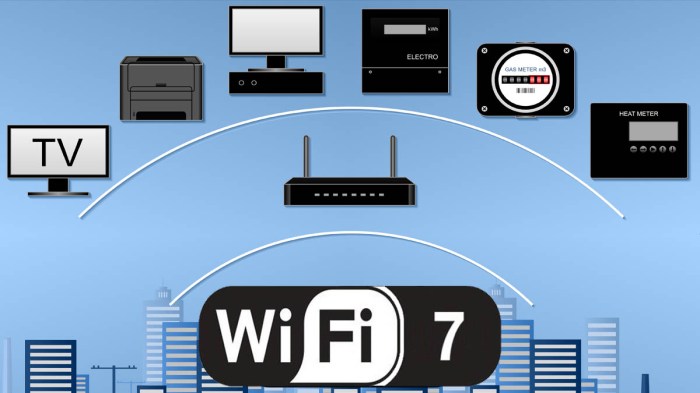
The deployment of Wi-Fi 7 technology is poised to reshape the economic landscape across various sectors. As organizations seek to enhance their connectivity capabilities, understanding the economic factors driving this adoption becomes essential. The potential for increased efficiency, productivity, and competitiveness is significant, making Wi-Fi 7 an attractive investment for businesses.The economic factors influencing the adoption of Wi-Fi 7 stem from the technology’s ability to support higher data rates, increased capacity, and improved latency.
These features facilitate a more robust digital infrastructure, which is critical in a world increasingly reliant on data-driven decision-making. As industries embrace the Internet of Things (IoT), artificial intelligence (AI), and cloud computing, the demand for high-performance connectivity solutions intensifies. The sectors most likely to adopt Wi-Fi 7 include healthcare, education, manufacturing, and retail, where reliable wireless communication can lead to better outcomes and experiences.
Cost Savings for Businesses Implementing Wi-Fi 7 Solutions
Businesses that implement Wi-Fi 7 technology can realize significant cost savings through enhanced operational efficiency, reduced hardware expenditures, and improved employee productivity. The following aspects underscore these economic advantages:
Operational Efficiency
The reduced latency and increased bandwidth of Wi-Fi 7 enable faster data transmission, minimizing downtime and accelerating processes across various functions. This efficiency translates into cost savings associated with labor and operational delays.
Lower Hardware Costs
Wi-Fi 7’s capability to support a greater number of devices reduces the need for extensive wiring and multiple access points, resulting in lower installation and maintenance costs. Streamlining hardware requirements allows businesses to allocate resources more effectively.
Increased Productivity
With improved connectivity, employees can work more efficiently, increasing overall productivity. This is particularly important in environments such as remote work settings, where reliable internet access is critical for performance.The following table compares the initial investment versus the long-term benefits of upgrading to Wi-Fi 7:
| Cost Category | Initial Investment | Long-term Benefits |
|---|---|---|
| Hardware Costs | $10,000 (for new access points and routers) | $4,000 annual savings on maintenance and replacement |
| Installation Costs | $5,000 (for setup and configuration) | $2,000 reduction in installation costs over five years |
| Productivity Gains | Not applicable | $50,000 additional revenue due to enhanced productivity |
The transformation brought about by Wi-Fi 7 technology is set to redefine the economic landscape for businesses, allowing them to minimize costs while maximizing output and performance. Organizations that recognize and act upon these economic implications will likely gain a competitive edge in their respective markets.
Wi-Fi 7 Security Enhancements
Wi-Fi 7 introduces significant security enhancements that play a crucial role in safeguarding user data and privacy. As wireless networks become increasingly integral to both personal and professional environments, the importance of robust security measures cannot be overstated. The advancements found in Wi-Fi 7 aim to address vulnerabilities inherent in previous generations while accommodating the growing complexity of cyber threats.The security features of Wi-Fi 7 are built upon the foundation established by Wi-Fi 6 and earlier protocols, yet they introduce stronger encryption and better methods for securing connections.
One of the most significant upgrades is the implementation of the latest security protocol, WPA3, which offers enhanced protection against unauthorized access and encryption methods that fortify data integrity.
Comparison of Security Features, Wi-Fi 7
To highlight the advancements made in Wi-Fi 7, a comparison of its security features with those of previous generations reveals substantial improvements in network protection:
- WPA3 Protocol: Wi-Fi 7 exclusively utilizes WPA3, which includes features like Simultaneous Authentication of Equals (SAE), strengthening password-based authentication and making it more resistant to brute-force attacks.
- Enhanced Encryption: The introduction of 192-bit encryption in WPA3 offers an additional layer of security, significantly improving data protection compared to the 128-bit encryption used in WPA2.
- Forward Secrecy: Wi-Fi 7 incorporates forward secrecy, ensuring that even if a session key is compromised, past communications remain secure, enhancing long-term data confidentiality.
- Better Protection against Rogue Access Points: Wi-Fi 7 enhances detection methods to identify rogue access points more effectively, preventing potential man-in-the-middle attacks.
- Improved Network Access Control: With more sophisticated authentication mechanisms, Wi-Fi 7 allows for better control over which devices can connect to the network, minimizing the risk of unauthorized access.
Despite these advancements, it is crucial to recognize that potential vulnerabilities may still exist. The complex nature of wireless communications can introduce new attack vectors, and while Wi-Fi 7 provides enhanced security, users must remain vigilant. The reliance on user-generated passwords, the possibility of software vulnerabilities in devices, and the evolving tactics used by cybercriminals are factors that can undermine the robustness of the improvements made in Wi-Fi 7.
“It is imperative to combine technological advancements with best practices in cybersecurity to fully leverage the benefits of Wi-Fi 7’s security features.”
Real-World Applications of Wi-Fi 7 Technology
Wi-Fi 7 technology represents a significant leap forward in wireless communication, offering enhanced speed, capacity, and efficiency. This advancement impacts numerous sectors, enabling organizations to optimize their operations, enhance user experiences, and support a growing number of connected devices. The following discussion highlights how various industries are currently leveraging Wi-Fi 7 technology to harness its benefits.
Healthcare Utilization of Wi-Fi 7
In the healthcare sector, Wi-Fi 7 technology is transforming patient care through improved connectivity. Hospitals and healthcare facilities are deploying Wi-Fi 7 to ensure seamless data transfer between devices, which enhances the efficiency of critical medical applications. For example, a case study from a leading healthcare provider revealed that implementing Wi-Fi 7 resulted in a 50% reduction in data transmission delays for telemedicine consultations, thus improving patient outcomes.The practical benefits include:
Enhanced support for high-definition video streaming in telehealth services.
Increased reliability for connected medical devices, leading to better monitoring of patient vitals.
Streamlined access to patient records for healthcare professionals, improving decision-making speed.
Educational Advancements Through Wi-Fi 7
Educational institutions are increasingly adopting Wi-Fi 7 to create enriched learning environments. This technology supports high-speed internet access for students and educators, facilitating online learning and interactive educational tools. A prominent university reported a 70% boost in student satisfaction scores following the upgrade to Wi-Fi 7, attributed to faster access to online resources and smoother streaming of educational content.Key advantages include:
Improved connectivity in densely populated lecture halls and labs, accommodating more devices without degradation in performance.
Seamless integration of virtual and augmented reality in educational programs, enhancing student engagement.
Support for hybrid learning models, allowing for effective remote education alongside in-person classes.
Entertainment Industry Enhancements with Wi-Fi 7
The entertainment industry is also reaping the benefits of Wi-Fi 7 technology. Streaming services and gaming companies are leveraging the increased bandwidth and reduced latency to deliver high-quality content to users. For instance, a leading streaming platform reported that Wi-Fi 7 enabled them to stream 8K content without buffering, vastly improving user experience and retention rates.Significant benefits observed include:
Faster downloads for high-definition content, allowing users to access media quickly and efficiently.
Improved online gaming experiences due to lower latency and higher data throughput, attracting more players.
Ability to support multiple simultaneous streams in a single household, catering to diverse user preferences.
FAQ Compilation
What are the main advantages of Wi-Fi 7?
Wi-Fi 7 offers higher data rates, reduced latency, and improved efficiency compared to previous generations, enhancing experiences in streaming and gaming.
Will Wi-Fi 7 be backward compatible?
Yes, Wi-Fi 7 will likely support backward compatibility with earlier Wi-Fi standards, allowing users to upgrade without losing access to older devices.
What frequency bands does Wi-Fi 7 utilize?
Wi-Fi 7 operates on the 2.4 GHz, 5 GHz, and 6 GHz frequency bands, providing greater flexibility and capacity for devices.
When is Wi-Fi 7 expected to be widely available?
While Wi-Fi 7 technology is being developed, widespread availability is anticipated in the coming years as devices and infrastructure catch up.
How does Wi-Fi 7 enhance security for users?
Wi-Fi 7 includes advanced security protocols that provide greater protection against unauthorized access and data breaches compared to previous standards.

Rahmi Miller is a passionate technology writer at bulldogrool.com, specializing in emerging digital trends, smart innovations, and practical tech solutions for everyday life. With a keen eye for detail and a deep curiosity about how technology shapes the future, Rahmi delivers clear, engaging, and insightful content that helps readers stay ahead in a fast-moving digital world.