Copilot+ PC represents a significant advancement in the realm of personal computing, offering users a sophisticated blend of productivity and efficiency. As technology continues to evolve, the integration of artificial intelligence into everyday tools has transformed how we interact with our PCs, allowing for a more intuitive and streamlined experience.
This innovative tool not only enhances user interaction but also serves as a valuable assistant in managing tasks, making it an essential component of modern computing. By exploring its features, integration process, and potential security implications, we gain a comprehensive understanding of how Copilot+ PC is shaping the future of personal computing.





The evolution of Copilot technology in personal computing is essential to understand its impact.
The journey of Copilot technology within personal computing has been a remarkable evolution, influenced by various historical advancements in software development and artificial intelligence. Understanding this evolution is crucial, as it highlights the transformative effects Copilot has had on user interaction and productivity.The inception of intelligent assistants can be traced back to the early days of personal computing, where software programs primarily served as tools for data processing and basic tasks.
Over the decades, technological advancements, such as the development of graphical user interfaces (GUI) in the 1980s and the internet revolution of the 1990s, set the stage for more interactive and user-friendly software. The launch of Microsoft Office in the early 1990s introduced features that began to mimic intelligent behavior, such as spell checkers and template suggestions, marking the onset of smarter applications.Key milestones in this journey include the introduction of machine learning algorithms in the early 2000s, which allowed software to learn from user behavior and preferences.
This paved the way for more personalized experiences, where software could adapt to individual workflows. The integration of natural language processing (NLP) further advanced user interaction, allowing for more intuitive communication between users and their devices. As a result, software became not only a passive tool but an active assistant in managing tasks and enhancing productivity.
The role of AI in transforming traditional PC software into intelligent assistants
Artificial intelligence plays a pivotal role in converting traditional PC software into intelligent assistants, enhancing user experience significantly. AI technologies, such as machine learning, NLP, and data analytics, have fundamentally changed how users interact with their devices, making tasks simpler and more efficient. AI enables software to analyze vast amounts of data quickly, learning from user interactions to provide tailored suggestions and automating repetitive tasks.
For instance, Copilot technology leverages predictive algorithms to anticipate user needs, thereby streamlining workflows and increasing productivity. Rather than merely responding to commands, intelligent assistants can now proactively offer solutions based on context. This shift to AI-driven software is exemplified by tools like Copilot, which integrates seamlessly with traditional applications, enhancing their capabilities. Users can receive real-time suggestions for coding while programming or get writing assistance within document editors.
Such advancements not only optimize performance but also create a more engaging user experience.As the technology continues to evolve, the impact of AI on personal computing will likely expand, leading to even more sophisticated and intuitive software solutions that can effectively act as co-pilots in various tasks, transforming how we approach everyday computing challenges.
An examination of the key features that make Copilot an essential tool for PC users is necessary.

Copilot is revolutionizing the way PC users approach productivity by integrating advanced functionalities that streamline workflows and enhance efficiency. Understanding these key features allows users to fully leverage this innovative tool, ultimately maximizing their productivity and improving their daily tasks.
Core functionalities that enhance productivity
The features of Copilot not only assist users in their daily operations but also elevate their overall experience when interacting with their PCs. Below are five core functionalities that exemplify the essential nature of this tool:
- Contextual Assistance: Copilot provides intelligent suggestions based on the context of the work being done. For example, while drafting an email, Copilot can recommend phrases or complete sentences, allowing users to communicate more effectively and save time.
- Task Automation: By automating repetitive tasks, Copilot frees up valuable time for users. In a real-world scenario, a user can set up Copilot to automatically generate reports from data in spreadsheets, significantly reducing manual effort.
- Smart Scheduling: Copilot integrates with calendar applications to help users manage their time. It can suggest optimal meeting times based on the availability of all participants, making scheduling more efficient and less prone to conflicts.
- Data Analysis: The analytics capabilities of Copilot facilitate the quick interpretation of complex data sets. For instance, a financial analyst can use Copilot to summarize trends in large amounts of data, enabling quicker decision-making.
- Multi-Application Integration: Copilot seamlessly connects with various applications, enhancing interactivity. A project manager might utilize Copilot to pull information from a task management tool directly into a presentation, ensuring that all data is up-to-date and accurate.
User experiences point to the transformative impact of these features. For instance, a marketing professional shared that the contextual assistance from Copilot not only helped in crafting persuasive copy but also reduced the time spent on editing by nearly 30%. Similarly, a software developer emphasized that task automation allowed them to focus on more complex coding challenges rather than mundane tasks, resulting in a 20% increase in project delivery speed.
Copilot’s functionality can be illustrated through a scenario where a user combines smart scheduling and multi-application integration. When planning a team meeting, Copilot suggests an ideal time while simultaneously pulling in relevant project updates from various applications. This comprehensive approach showcases how it enhances productivity by minimizing the back-and-forth often associated with planning and data gathering.
In summary, Copilot’s rich feature set not only streamlines everyday tasks but fundamentally alters how users interact with their PCs, leading to a more efficient and effective workflow.
The integration process of Copilot with existing PC applications deserves thorough exploration.
Integrating Copilot with existing PC applications presents an opportunity for enhanced productivity and streamlined workflows. The process requires careful planning and execution to ensure that the integration is effective and seamless. By understanding the steps involved and potential challenges, users can better prepare for a successful implementation.The integration process typically involves several key steps that facilitate the smooth incorporation of Copilot into popular software applications.
Initially, it is essential to identify the specific applications that will benefit from Copilot’s features. The next step is to ensure that the necessary system requirements are met, which can include checking compatibility with the operating system, the availability of required APIs, and other dependencies.Once the applications are identified, users should proceed with the installation of Copilot, following all guidelines provided in the documentation.
After installation, the configuration phase begins, where users set up the integration parameters according to their specific needs. This may include enabling certain features within the Copilot interface and adjusting settings in the host applications.Following configuration, thorough testing is necessary to evaluate the integration’s effectiveness. This includes checking for synchronization issues, performance bottlenecks, or any unexpected behavior in the applications.
Finally, users should document their integration process and provide training sessions for team members to ensure everyone is familiar with the new functionalities.
Challenges faced during integration and solutions
Integrating Copilot into existing applications may present several challenges. Technical difficulties can arise, such as compatibility issues with legacy systems or improper installation configurations. Users may also encounter resistance from team members who are hesitant to adopt new technology, leading to potential disruptions in workflow.To mitigate these challenges, users should conduct a comprehensive compatibility assessment before integration. This involves testing Copilot with existing applications in a controlled environment.
Additionally, providing training and support resources can alleviate concerns and enhance user confidence in utilizing Copilot.Furthermore, establishing a feedback loop can help identify any issues early in the integration process. Regular check-ins with team members can ensure that any problems are addressed promptly, fostering a positive attitude towards the integration.The following table illustrates compatible applications and their respective integration methods:
| Application | Integration Method |
|---|---|
| Microsoft Office Suite | API integration with direct access to Office Add-ins |
| Slack | Webhook configuration and bot integration |
| Trello | Power-up implementation for task management |
| Visual Studio Code | Extension installation through the marketplace |
| Salesforce | API integration using Salesforce Connect |
Understanding the security implications of using Copilot on personal computers is crucial for users.
As artificial intelligence continues to evolve, integrating AI assistants like Copilot into personal computing environments offers both convenience and potential security risks. Users must be aware of these implications to ensure their data and privacy remain protected while leveraging the capabilities of such advanced tools.The integration of AI assists in streamlining workflows, automating repetitive tasks, and enhancing productivity; however, the use of Copilot on personal computers introduces certain vulnerabilities.
These risks can arise from unauthorized access to sensitive data, the potential for data breaches, and the misuse of AI-generated content. Understanding these risks is essential for users to take proactive measures in safeguarding their information.
Potential Security Risks Associated with AI Assistants
Users should be aware of several key security risks when utilizing AI assistants like Copilot. Recognizing these risks can aid in adopting appropriate safeguards. The following points highlight the main concerns associated with Copilot:
- Unauthorized Data Access: AI assistants require access to various data sources to provide relevant suggestions, which may inadvertently expose sensitive user information.
- Data Breaches: As AI tools are integrated into personal systems, the risk of data breaches increases, potentially leading to unauthorized data being accessed or leaked.
- Malware and Phishing Attacks: AI-powered environments can be targeted for malicious attacks, where sophisticated phishing or malware strategies may exploit AI vulnerabilities.
- Inadvertent Data Sharing: There is a risk that users may unintentionally share sensitive information with third-party services through AI interactions.
To mitigate these risks, users should implement robust security measures such as regularly updating software, utilizing strong password practices, and employing encryption methods for sensitive data.
Best Practices for Safeguarding Personal Information
To ensure the security of personal information while using Copilot, users can adopt various best practices. These strategies are vital for maintaining privacy and safeguarding data integrity:
- Configure Privacy Settings: Review and adjust the privacy settings of Copilot to limit data collection and sharing to the minimum necessary for functionality.
- Use Secure Networks: Always utilize secure and trusted networks when accessing AI tools to prevent interception of data.
- Regularly Update Software: Keep the Copilot application and associated software up-to-date to protect against newly discovered vulnerabilities.
- Educate on Recognizing Phishing Attempts: Awareness of common phishing tactics can help users avoid falling victim to malicious schemes.
By following these practices, users can enhance their safety while enjoying the benefits of AI assistants like Copilot.
Addressing Security Concerns Through Developer Updates
Developers play a crucial role in addressing the security concerns associated with AI assistants. Frequent updates and patches are essential for mitigating vulnerabilities and improving the overall security framework of applications like Copilot. Key strategies employed by developers include:
- Regular Security Audits: Conducting thorough security assessments to identify and rectify potential weaknesses in the system.
- Implementing Advanced Encryption Standards: Ensuring that data transmitted and stored by Copilot is encrypted using the latest standards to protect against breaches.
- User Feedback Mechanisms: Incorporating user feedback regarding security features to enhance user experience while simultaneously addressing concerns.
- Transparency in Data Handling: Providing clear information on how user data is collected, processed, and shared, fostering user trust.
Such initiatives are vital as they not only protect users but also build confidence in the capabilities of AI assistants in personal computing.
The impact of Copilot on various professional industries should not be overlooked.
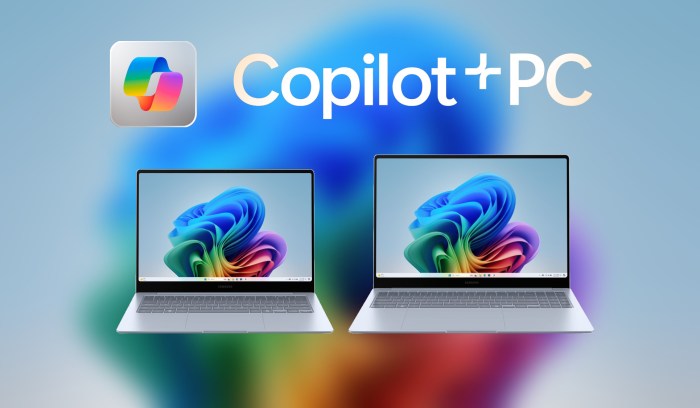
The introduction of Copilot technology has sparked significant transformation across multiple professional sectors. As organizations embrace AI-assisted tools, they are finding innovative ways to enhance productivity, streamline workflows, and improve overall performance. This technology is reshaping how professionals engage with their work, encouraging a shift towards more efficient processes.In industries such as education, healthcare, and finance, Copilot is proving to be an invaluable asset.
Educators are leveraging AI to personalize learning experiences, allowing for tailored lesson plans that address individual student needs. In healthcare, AI assists professionals in diagnostics and patient management, enabling quicker and more accurate decision-making. Meanwhile, in finance, Copilot aids analysts in generating reports and conducting complex data analyses, ultimately enhancing strategic planning.
Examples of Copilot’s Transformation in Different Sectors
Several sectors are experiencing notable advantages as they integrate Copilot technology into their workflows. The impact varies by industry, with each sector adopting unique applications that serve their specific needs.
- Education: AI tools provide teachers with insights into student performance and engagement. For instance, platforms utilizing Copilot can analyze student data to suggest interventions, ensuring timely support for those at risk of falling behind.
- Healthcare: In the medical field, AI-powered systems can assist in diagnostic processes. A notable example is the use of AI in radiology, where algorithms can detect anomalies in imaging faster than human radiologists, reducing the time to diagnosis.
- Finance: Financial analysts leverage Copilot to automate routine reporting tasks. By generating insights from vast datasets, professionals can focus more on strategic decision-making rather than manual data processing.
The advantages of incorporating Copilot into professional practices are substantial. However, there are also potential disadvantages that might arise. While AI can enhance efficiency and accuracy, it may inadvertently lead to over-reliance on technology, diminishing critical thinking skills among professionals. Furthermore, the integration of AI raises concerns regarding data privacy and security, particularly in sensitive sectors like healthcare and finance.
The balance between leveraging AI for efficiency and maintaining human oversight is crucial for maximizing the benefits of Copilot technology.
Versatility of Copilot Across Industries
The adaptability of Copilot technology allows it to be tailored to various professional sectors, showcasing its versatility in application. Different industries are utilizing this technology to overcome unique challenges and improve service delivery.
- Manufacturing: Copilot systems are used to optimize supply chain management, predicting demand trends based on real-time data analytics, which enhances inventory control and decreases waste.
- Legal: In the legal profession, AI tools assist lawyers in document review and contract analysis, speeding up case preparation and reducing the workload associated with manual review processes.
- Marketing: Marketers use Copilot to analyze consumer behavior data, enabling targeted campaigns that resonate with specific demographics, thereby increasing conversion rates.
The implementation of Copilot technology across these varied sectors not only highlights its multifaceted capabilities but also emphasizes the importance of understanding industry-specific needs. Each sector can tailor AI tools to optimize workflows, illustrating how Copilot serves as a catalyst for innovation and efficiency.
A detailed examination of user feedback on Copilot is valuable for understanding its effectiveness.
User feedback plays a crucial role in evaluating the performance and usability of tools like Copilot. By analyzing both positive and negative reviews, we can gain insights into how effectively Copilot meets user needs and expectations. Understanding these perspectives helps to identify strengths and areas for improvement, ultimately guiding future enhancements.The feedback on Copilot reveals a spectrum of user experiences, emphasizing its potential benefits while also addressing certain limitations.
Many users have praised Copilot for its ability to enhance productivity, streamline coding processes, and offer relevant suggestions. However, some critiques point to inconsistencies in its performance and occasional inaccuracies in its suggestions.
Summary of User Reviews and Testimonials, Copilot+ PC
A review of user testimonials indicates a mixed yet informative landscape of experiences. Positive testimonials often highlight:
Enhanced Efficiency
Users report significant time savings, with many completing tasks more quickly than before.
Intuitive Suggestions
The AI’s ability to provide contextually relevant code snippets is viewed as a major advantage.
Learning Aid
Some users appreciate Copilot as a tool for learning new coding practices and languages, enhancing their skills over time.Conversely, negative feedback points to several areas for concern:
Inconsistent Accuracy
Some users experience moments where Copilot fails to deliver correct or optimized code.
Over-Reliance Risk
A few users caution against dependency on the tool, fearing it may hinder their problem-solving skills.
Integration Issues
There have been reports of challenges when integrating Copilot with specific development environments or workflows.
Common User Suggestions for Improvement
Users have provided valuable suggestions for enhancing Copilot’s functionality and user experience. These suggestions aim to address identified weaknesses and promote a more robust tool. Below are the key recommendations:To better align with user expectations, the following improvements are frequently suggested:
- Context Awareness: Improving Copilot’s ability to understand the broader context of coding projects to generate more relevant suggestions.
- Error Handling: Enhancing the tool’s ability to recognize and correct errors in real-time, providing more accurate feedback.
- Customization Options: Allowing users to customize settings or preferences to better suit their specific coding practices and styles.
- Feedback Mechanism: Implementing a more robust system for users to report issues or provide feedback on suggestions that were unhelpful or inaccurate.
- Integration Capabilities: Focusing on smoother integration with a wider variety of development environments and tools to increase usability.
Feedback from users regarding Copilot presents a comprehensive view of its effectiveness and areas for potential growth. By valuing this feedback, developers can work towards refining the tool, enhancing its overall contribution to coding practices and productivity.
The future of Copilot technology in personal computing is an important topic for current users and developers alike.
The evolution of Copilot technology is transforming personal computing, making it increasingly intuitive and user-friendly. As we look ahead, the future of these tools promises enhanced functionalities that could significantly change the way users interact with their devices.Advancements in artificial intelligence (AI) and machine learning are pivotal in shaping the next generation of Copilot features. These technologies empower Copilot systems to learn from user behavior, adapt to individual preferences, and provide smarter, more context-aware assistance.
The potential enhancements may include personalized automation of routine tasks, advanced language processing, and improved predictive capabilities, all contributing to a seamless user experience.
Emerging trends in Copilot features
The landscape of personal computing will benefit from various emerging trends in Copilot technology. Below are some trends expected to influence future applications, showcasing how these features can evolve:
| Trend | Description | Potential Application |
|---|---|---|
| Contextual Awareness | Increased ability to understand the user’s context and adjust responses accordingly. | Smart scheduling of tasks based on calendar events and location data. |
| Advanced Voice Recognition | Improved voice command capabilities that understand natural language more effectively. | Hands-free operation for multitasking while managing home and work activities. |
| Integration with IoT Devices | Seamless interaction with Internet of Things (IoT) devices, enhancing functionality across platforms. | Automated home management, such as adjusting lighting or temperature based on user preferences. |
| Predictive Task Management | Ability to anticipate user needs and suggest relevant actions or content. | Proactive reminders for deadlines or follow-ups based on past behavior and patterns. |
| Personalized Learning | Adaptive learning capabilities that tailor the user experience based on individual usage patterns and feedback. | Customized tutorials and support based on the user’s proficiency and learning speed. |
“AI and machine learning advancements are the backbone of the future Copilot technology, enabling smarter and more personalized user experiences.”
As these trends materialize, they will significantly enhance the capabilities of Copilot technology, fostering a more interactive and efficient computing environment for all users.
An exploration of alternative tools that compete with Copilot can provide a broader context.: Copilot+ PC
The growing demand for AI-driven tools in various domains has led to the emergence of numerous competitors to Copilot. Understanding these alternatives not only highlights the strengths of Copilot but also allows users to make informed decisions based on their specific needs. This exploration will focus on three prominent AI tools: GitHub Copilot, Tabnine, and Kite.
Comparative Analysis of AI-Driven Tools
When evaluating AI tools, it is essential to consider their unique features, pricing structures, and the contexts in which they excel. Below is a detailed comparison of Copilot with its competitors.
| Tool | Unique Selling Points | Advantages over Copilot | Pricing |
|---|---|---|---|
| GitHub Copilot | Integration with GitHub, supports multiple languages. | Offers extensive context-aware suggestions based on vast codebases. | $10/month for individuals, $19/month for businesses. |
| Tabnine | Focus on predictive coding, learns from local code. | Privacy-focused, with no data sent to the cloud unless opted in. | Free tier available; Pro version at $12/month. |
| Kite | Integrates with various IDEs, provides documentation snippets. | Rich documentation support within the editor, enhancing learning. | Free version available; Pro version at $16.60/month. |
The table above illustrates key differences among the tools, showcasing their unique strengths. GitHub Copilot benefits from its seamless integration with GitHub, making it particularly advantageous for developers already using the platform. In contrast, Tabnine stands out with its focus on local coding privacy, appealing to those concerned about data security. Kite, on the other hand, excels in providing in-editor documentation that can significantly enhance a developer’s workflow.
“Understanding the unique features of each tool helps in selecting the right fit for individual needs and preferences.”
Analyzing these alternative tools provides valuable insights for developers seeking to enhance their coding efficiency through AI-driven assistance. Each tool offers distinct advantages, allowing users to choose based on their specific requirements and preferences.
Strategies for maximizing the benefits of using Copilot are essential for new users.
The integration of Copilot into your workflow can enhance productivity and streamline tasks significantly. Understanding how to leverage its features effectively is crucial for new users. This guide aims to provide you with essential strategies to maximize the benefits of using Copilot, ensuring you harness its full potential from the outset.
Customizing Copilot Settings for Optimal Use
Customizing the settings of Copilot is essential for creating a tailored user experience that aligns with your specific needs. To get started, follow these steps:
- Access the Copilot settings menu through the main dashboard.
- Adjust the notification preferences to ensure you receive alerts relevant to your tasks.
- Set up your preferred programming languages and frameworks to improve suggestion accuracy.
- Enable or disable features such as auto-completion based on your coding style.
- Save your changes and test the new settings in your development environment.
By taking the time to personalize these settings, you can enhance your workflow and reduce distractions.
Tips and Tricks from Experienced Users
Experienced users of Copilot have compiled several effective tips that can enhance your overall experience and efficiency while using the tool. Incorporating these strategies into your routine can lead to improved outcomes:
“Always review suggestions before accepting them; context is key in programming.”
- Utilize contextual comments to guide Copilot in generating more relevant suggestions.
- Experiment with different prompts to see varied outputs based on your requirements.
- Engage with the community for shared insights and custom workflows that can save time.
- Regularly update your Copilot version to access new features and improvements.
These practices can significantly enhance your coding experience and output quality.
Troubleshooting Common Issues with Copilot
Encountering issues while using Copilot is not uncommon. However, knowing how to troubleshoot these problems can save you time and frustration. Here are steps to address common concerns:
- If Copilot is not generating suggestions, ensure that you are connected to the internet and that your subscription is active.
- Restart your IDE to resolve temporary glitches that may hinder functionality.
- Check for updates in the Copilot application settings, as outdated versions may lead to performance issues.
- Clear the cache of your IDE to eliminate any corrupted files affecting Copilot’s operation.
- Consult the official troubleshooting guide or forums if the problem persists for tailored solutions.
By following these procedures, you can effectively manage and resolve issues, ensuring a seamless experience with Copilot.
Q&A
What is Copilot+ PC?
Copilot+ PC is an AI-driven tool designed to enhance productivity and streamline user tasks on personal computers.
How can I integrate Copilot with existing applications?
Integration typically involves following specific setup instructions for compatible applications, which may vary by software.
Are there any security risks associated with using Copilot?
Yes, potential risks include data privacy concerns; best practices involve regularly updating software and using strong passwords.
Can Copilot+ PC be customized for individual needs?
Absolutely, users can customize settings to tailor the functionality of Copilot to better suit their specific workflows.
What industries can benefit from Copilot+ PC?
Industries such as education, healthcare, and finance can significantly enhance their workflows using Copilot’s capabilities.
Is there support available for troubleshooting issues with Copilot?
Yes, users can access support resources and community forums for assistance with common problems and troubleshooting.

Rahmi Miller is a passionate technology writer at bulldogrool.com, specializing in emerging digital trends, smart innovations, and practical tech solutions for everyday life. With a keen eye for detail and a deep curiosity about how technology shapes the future, Rahmi delivers clear, engaging, and insightful content that helps readers stay ahead in a fast-moving digital world.